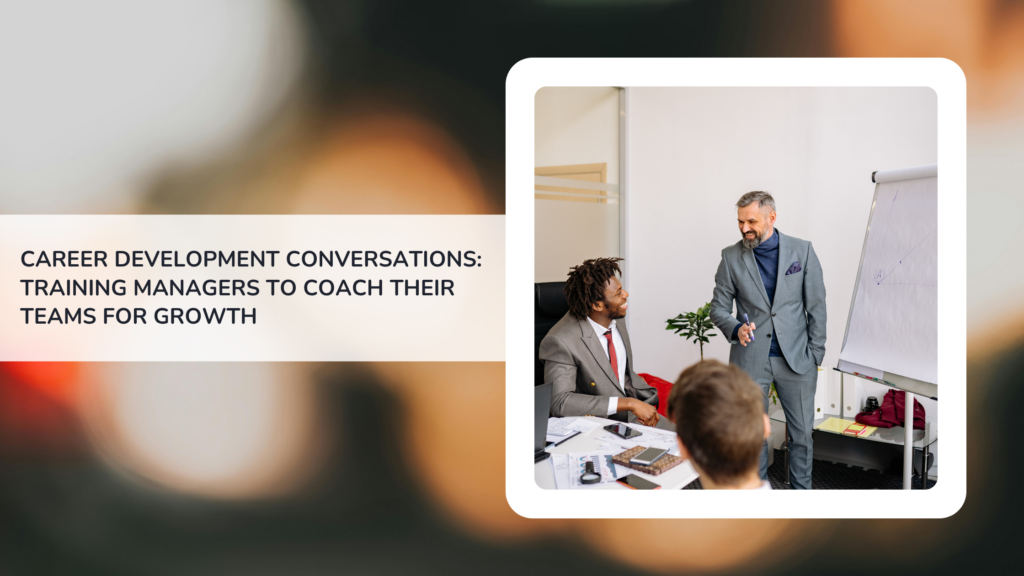
Planning A Kick-Off Meeting? This Guide Covers The Agenda, The Mistakes To Avoid, And How To Keep The Momentum Going After It’s Over.
Updated: October 14, 2026
Whether you’re launching a new project, introducing a strategy, or kicking off the fiscal year, a kick-off meeting is your chance to get everyone aligned, energized, and clear on what comes next.
The stakes are high. A well-run kick-off sends your team out with a shared sense of purpose. A poorly run one costs a day (or three) of everyone’s time and leaves nothing behind.
This guide covers every stage of planning a kick-off meeting, from the decisions you need to make before you touch the agenda to the follow-through that turns a good meeting into real results.
One note on scope: this guide covers company and team kick-offs, the meetings that launch a year, a quarter, a major initiative, or a project. If you’re planning a sales kick-off specifically, we cover that in Good vs. Great Sales Kickoff Meetings: How to Plan One That Provides Real ROI.
Let’s dive in.
Table of Contents
- What A Kick-Off Meeting Needs To Accomplish
- 6 Decisions To Make Before You Build The Agenda
- The Kick-Off Meeting Agenda: 8 Essential Topics To Cover
- The Project Kick-Off Agenda: A 60-Minute Version
- How To Keep Attendees Engaged
- Ask For Feedback
- After The Kick-Off: 12 Ways To Stick The Landing
- Your Kick-Off Meeting Checklist
- Kick-Off Meeting FAQ
What A Kick-Off Meeting Needs To Accomplish
Every kick-off meeting needs a clear purpose. Without one, you risk leaving your team confused, frustrated, or unsure of what they’re working toward. A lack of direction can make even the most polished meeting feel like a waste of time.
A University of North Carolina study of more than 182 senior managers found that 71% felt meetings were unproductive and inefficient, and 62% felt meetings failed to bring the team closer together. With meeting overload now a standard part of work life, those numbers haven’t improved.
A great kick-off meeting achieves at least one of these four goals:
- Presenting Your Project Or Strategy: Share the vision, timeline, and expected outcomes for what’s ahead.
- Building Excitement: Energize your team with an inspiring tone and clear enthusiasm about the work.
- Fostering Alignment: Get everyone on the same page by clarifying roles, responsibilities, and key milestones.
- Establishing Expectations: Outline next steps so every participant knows how to contribute moving forward.
Most kick-offs do two or three of these well. Decide which goals matter most for this meeting, write them down, and open the meeting by stating them out loud. Everything else in your plan should serve those goals.
Company Kick-Offs Vs. Project Kick-Offs
The term “kick-off” covers two different kinds of meeting, and it helps to know which one you’re planning:
- Company Or Team Kick-Off: Launches a year, a quarter, or a major initiative. It usually runs a half day to several days, brings together whole departments or the entire organization, and leans on inspiration, culture, and alignment. This is the kind of event that benefits from an off-site venue, a theme, and in-person team building activities.
- Project Kick-Off: Launches a specific piece of work. It usually runs 30 to 90 minutes, includes only the people doing or sponsoring the work, and focuses on scope, roles, timeline, and risks.
Most of this guide applies to both. Where the advice differs, we’ll say so, and there’s a dedicated project kick-off agenda further down.
6 Decisions To Make Before You Build The Agenda
Most kick-off meetings go wrong before anyone writes the agenda. The problems trace back to decisions made (or skipped) in the planning phase: who’s in the room, where the room is, and whether remote attendees were an afterthought. Here are the six decisions to make first.
1. Invite Only The People Who Need To Be There

Kick-off meetings work best when they include the right people: those who are directly involved in or affected by the work. Inviting too many participants dilutes the conversation, while leaving key stakeholders out leads to miscommunication and misaligned goals.
Every person in the meeting represents a time investment and an opportunity cost. To get the attendee list right:
- Clarify Roles: Identify who needs to contribute to discussions, make decisions, or take action. A simple framework is to sort people into Deciders, Doers, and Need-to-Knows.
- Limit Attendance: Resist the urge to over-invite. If someone’s role is purely informational, send them the recap instead.
- Communicate Expectations: Tell attendees why they’re invited and what you need from them. A note like “You’re invited because we need your expertise on X” helps people prepare.
- Consider Async Alternatives: For global teams, recording key portions for later viewing is often more inclusive than forcing everyone into an inconvenient time slot.
The right mix of people makes for meaningful discussion and sets the work up for success from the first conversation.
2. Give The Meeting A Theme
A theme gives your kick-off a cohesive focus, tying every session and activity together. Without one, the event can feel disjointed and fail to leave a lasting impression.
A strong theme is a unifying message that reinforces the meeting’s purpose and gives employees clear takeaways. Companies often build themes around:
- Business Focus: A theme like “Leading the Pack” to introduce an innovative product launch.
- Annual Goals: A theme like “To Infinity and Beyond” to reflect ambitious growth targets.
- Core Values: A message like “Stronger Together” to emphasize collaboration and teamwork.
Once you have a theme, use it everywhere: keynotes, breakout sessions, slide design, and the team building activities you choose. A company introducing new leadership principles, for example, could embed those principles into interactive workshops so people engage with them in practical, memorable ways.
Themes matter most for company-wide kick-offs. A 60-minute project kick-off doesn’t need one.
3. Get Out Of The Office

Hosting your kick-off at the office seems convenient and cost-effective, but it often backfires. Staying in the same environment makes it hard for employees to disconnect from daily distractions, which limits focus and engagement.
An off-site location breaks the routine and creates a space where attendees can fully immerse themselves in the meeting’s purpose. The venue doesn’t need to be extravagant. Simple, nearby options work well:
- Local hotels or conference facilities
- Resorts or lodges in neighboring areas
- Libraries or community centers
- Coworking spaces with meeting facilities
These settings signal that the event matters and help people focus on it, which translates into better participation and more useful outcomes.
If your team is fully remote or highly distributed, a rare in-person gathering at the office might be what feels special. The point is to create an environment that’s different from the everyday routine.
If you’re thinking about taking the kick-off further afield, our guides to planning a company retreat and the top 20 destinations in North America for company retreats cover venues, logistics, and activity ideas.
4. Plan For Hybrid And Remote Attendees From Day One

If any of your team works remotely, treating the kick-off like a purely in-person event will leave some people feeling excluded and disengaged. Remote attendees end up missing details, struggling to connect with in-person colleagues, or zoning out entirely.
When remote participants feel like second-class attendees, it damages morale, reduces engagement, and can contribute to turnover.
Here’s how to make a hybrid kick-off work for everyone:
- Invest In The Tech: Nothing kills engagement faster than “Can you hear me?” Good cameras, microphones, and AV equipment in the main room mean remote participants can see and hear what’s happening.
- Account For Time Zones: Choose times that work for the majority, or split the content into two shorter sessions. When no good time exists, rotate who gets the inconvenient slot rather than always penalizing the same team members.
- Assign A Hybrid Advocate: Have one person dedicated to monitoring the chat, surfacing remote questions, and making sure virtual voices are heard.
- Put Everyone On Camera: If some people are in person and some are remote, in-office attendees should be on camera too. It levels the playing field.
- Design Activities That Work In Both Places: Avoid scenarios where remote folks watch while in-person attendees collaborate on a whiteboard. Use shared digital tools like Miro or FigJam, and pick virtual team building activities or hybrid-friendly formats that let both groups participate equally.
- Create Parity In Materials: Send everything digitally before the meeting. If in-person attendees get a handout, remote attendees should already have the file.
- Record It (With Permission): Make recordings and transcripts available for anyone who couldn’t attend live.
Without this planning, your message won’t land with remote staff, and you’ll create a two-tiered culture that breeds resentment.
5. Design For Accessibility
Not everyone on your team experiences meetings the same way. Some people need captions to follow along. Others process information better when they can read an agenda in advance rather than hearing it for the first time in real time. If your kick-off relies heavily on fast-paced verbal discussion, you’re probably leaving some of your best thinkers behind.
When people can fully participate, you get better ideas, stronger buy-in, and a team that feels valued from day one. In practice, that means:
- Send Materials At Least 48 Hours In Advance: This helps everyone, and it’s critical for people who process information differently, need translation time, or work better when they can prepare.
- Offer Multiple Ways To Participate: Let people contribute through chat, collaborative documents, or follow-up conversations. Some of your quietest team members have the best insights and just need a different format to share them.
- Make Content Accessible: Turn on captions for virtual sessions, describe visual content out loud, and use clear fonts and high-contrast colors in your slides.
- Keep Language Simple: Avoid jargon, acronyms, and insider references that exclude newer team members or global colleagues. If you wouldn’t say it to someone on their first day, don’t say it in your kick-off.
- Build In Thinking Time: After you share something important, pause. Give people a moment to absorb it before moving on.
Small adjustments like these show your team that you’ve thought about their needs, and they set the tone that the project values every voice.
6. Build In Wellness And Sustainability
Today’s employees value environmentally conscious practices and care about mental health. A kick-off that ignores both can feel out of touch, and exhausted attendees retain less of what you tell them.
When you build wellness and sustainability into the event design, you show your team that these are commitments rather than talking points:
- Mind The Schedule: Avoid back-to-back sessions that run from early morning until late evening. Burned-out employees leave drained rather than energized.
- Prioritize Wellness: Include breaks for movement or mindfulness, such as a short meditation session or a team walk outdoors.
- Offer Healthy Food Options: Go beyond the cookie platter. Nutritious meals and snacks keep energy levels stable through the day.
- Go Green: Use digital agendas, avoid single-use plastics, and choose locally sourced catering.
- Choose An Eco-Friendly Venue: Look for locations that align with your sustainability goals, such as LEED-certified buildings.
With these six decisions made, you have the foundation in place. Now you can build the agenda.
The Kick-Off Meeting Agenda: 8 Essential Topics To Cover
Your agenda is the backbone of the event. The topics you cover dictate the impact of the meeting, and the order you cover them in dictates whether people are still paying attention by the end.
Every kick-off is different, but these eight topics consistently make a meeting land. They run in a deliberate order, opening with energy, moving into direction and detail, and closing with connection.
1. Celebrate Past Successes
Start your kick-off by celebrating what the team has already achieved. Recognizing accomplishments builds morale, boosts engagement, and puts people in the right frame of mind for what’s ahead.
A few ways to celebrate past successes:
- Highlight Key Wins: Use specific metrics or stories from the past year, quarter, or project. For example, “Our team exceeded our sales target by 15% and landed three new clients in Q3.”
- Recognize Individuals And Teams: Call out high performers or groups who went above and beyond, whether with awards, certificates, or shout-outs during the session.
- Use Recognition Tools: Platforms like Bonusly or Nectar, or Slack integrations, make recognition visible. A highlight reel or digital montage of team wins works well for larger groups.
- Tie Wins To Larger Goals: Show how these successes connect to the company’s mission, so people see why their work matters.
Opening with a celebration sets a positive tone and reminds your team they’re capable of tackling what comes next.
2. Goals And Vision
Once the team is energized, get into the purpose of the meeting. Clearly defining goals and vision helps everyone understand the why behind the work.
Structure this session around:
- The Big Picture: Start with the company’s overarching mission or vision to give context for the goals you’re about to present.
- Specific Objectives: Break down the goals for the kick-off, whether they’re tied to a product launch, a project, or the year ahead.
- Storytelling And Visuals: Use examples, visuals, and personal stories to make the vision relatable.
- The Role Of AI And Automation: If new tools play a part in your goals, be transparent about how they’ll support (not replace) your team’s work and what opportunities they create.
For example: “Our vision this year is to deliver unmatched customer experiences. One of our key goals is reducing client response times by 20%, and here’s how each department will contribute.”
This session creates alignment and gives your team a shared sense of purpose.
3. Introduce Key Stakeholders And Leaders
Your team needs to know who’s steering the ship. A session introducing key stakeholders and leaders establishes clarity, authority, and trust.
This session can include:
- Leadership Introductions: Give new leaders a platform to introduce themselves, share their vision, and connect with the team.
- Role Clarifications: Outline who’s responsible for which goals or projects, so people know who to go to.
- Strategic Insights: Let leaders share their priorities for the year, which sets expectations and builds anticipation.
- Connection For Hybrid Teams: Pre-record short video introductions from leaders, or host virtual “office hours” after the kick-off so remote employees can connect one-on-one.
This segment shows everyone where to turn for guidance and support.
4. Outline The Roadmap
Your team needs a clear sense of where the organization is headed. A high-level roadmap helps people understand the priorities and focus areas for the months ahead.
What to include in this session:
- Key Milestones: Major projects, product launches, or events coming up. Timelines, Gantt charts, or roadmap tools make this clear and give people something to refer back to later.
- Strategic Priorities: The broader themes for the year, such as innovation, customer satisfaction, or market expansion, and how they align with the company’s vision.
- Team Contributions: How different departments will contribute to these goals.
For example: “This year, we’re focusing on three pillars: growing our customer base, reducing churn, and expanding into new markets. Marketing will lead new campaigns, while product development focuses on retention features.”
A clear roadmap shows everyone how their work fits into the bigger picture.
5. Plan Of Action
With the vision and roadmap laid out, it’s time to focus on execution. Your plan of action gives attendees a clear path forward, both during the meeting and after it:
- During the Kick-Off: Dedicate time to collaborative sessions like brainstorming or skills workshops, so people start working toward their goals right away.
- After the Kick-Off: Assign responsibilities, set deadlines, and schedule follow-ups. For example, “Marketing will finalize campaign concepts by the end of Q1, and we’ll meet again to review progress in February.”
- Make Accountability Visible: Use a project management platform like Asana, Monday.com, or ClickUp so everyone can see progress in real time, and set up automated reminders so momentum doesn’t depend on manual follow-up.
This is also the point in the day where energy tends to dip. Break it up with a team building activity that reinforces collaboration and gets people out of their seats.
6. Professional Development Opportunities
Growth is a priority for employees, and putting it on the kick-off agenda shows you’re invested in their futures. This session can cover:
- Training Programs: Upcoming workshops, courses, or certifications people can take part in.
- Future Skills: The competencies your company will prioritize and why. For example, “This year we’re focusing on AI literacy, data analysis, and leadership development.”
- Mentorship: Initiatives like mentorship programs or cross-departmental shadowing.
- Self-Paced Options: Micro-learning platforms like LinkedIn Learning or Coursera for Teams that let employees upskill on their own schedule.
When employees see that their development is valued, they’re more likely to stay engaged through the year. If you want to build a development element directly into the kick-off, a corporate skills training program is a good fit for this slot.
7. Feedback, Questions, And Answers
Before you close, dedicate time to questions and feedback. This clears up lingering uncertainty and aligns the team before they leave. Make the session productive by:
- Preparing For Common Questions: Have answers ready for likely queries about challenges, KPIs, or next steps.
- Using Interactive Tools: For large groups or hybrid events, platforms like Slido, Mentimeter, or Poll Everywhere make it easy to gather and prioritize questions from everyone in the room and online.
- Capturing Anonymous Input: A quick Google Forms or Typeform survey gives people who won’t speak up publicly a way to be heard.
- Asking Better Questions: Go beyond “Any questions?” Try “What challenges do you foresee?” or “What additional resources would help you succeed?”
We cover what to do with that feedback, and how to collect more after the meeting, later in this guide.
8. Reinforce Company Culture
Conclude by reminding your team why they’re part of this organization. Ending on culture leaves people feeling inspired and connected. To reinforce culture:
- Highlight Core Values: Tie the day back to your mission and principles. For example, “Everything we’ve discussed today connects to our commitment to innovation and customer success.”
- Share Team Stories: Real examples of how your culture has driven results make values feel tangible.
- Make Culture Actionable: Give concrete examples of how employees can live those values day to day, especially in a hybrid environment where culture can feel abstract.
- Acknowledge Hybrid Realities: Show how remote and in-office employees contribute equally, and name the specific ways you’ll stay connected across distances.
- Close With A Collaborative Activity: A team building activity at the end of the day strengthens bonds and leaves a lasting impression.
A culture-focused close sends your team out motivated, valued, and united.
A Sample One-Day Kick-Off Agenda
Here’s how those eight topics fit into a single day, with breaks and an activity built in. Adjust the timing to your group, but keep the shape: energy first, detail in the middle, connection at the end.
| Time | Session | Agenda Topic |
|---|---|---|
| 8:30 | Arrival, coffee, and informal networking | |
| 9:00 | Welcome and theme introduction | |
| 9:15 | Celebrating last year’s wins | 1 |
| 9:45 | Goals and vision for the year ahead | 2 |
| 10:30 | Break | |
| 10:45 | Meet the leadership team | 3 |
| 11:15 | The roadmap: milestones and priorities | 4 |
| 12:00 | Lunch | |
| 1:00 | Team building activity | |
| 2:30 | Plan of action: department breakouts | 5 |
| 3:30 | Break | |
| 3:45 | Professional development and growth paths | 6 |
| 4:15 | Open Q&A and feedback | 7 |
| 4:45 | Closing: culture, values, and a group activity | 8 |
| 5:15 | Wrap |
For a multi-day kick-off, spread the topics across days and give each day its own focus: celebration and direction on day one, planning and skills on day two, connection and commitment on day three.
The Project Kick-Off Agenda: A 60-Minute Version
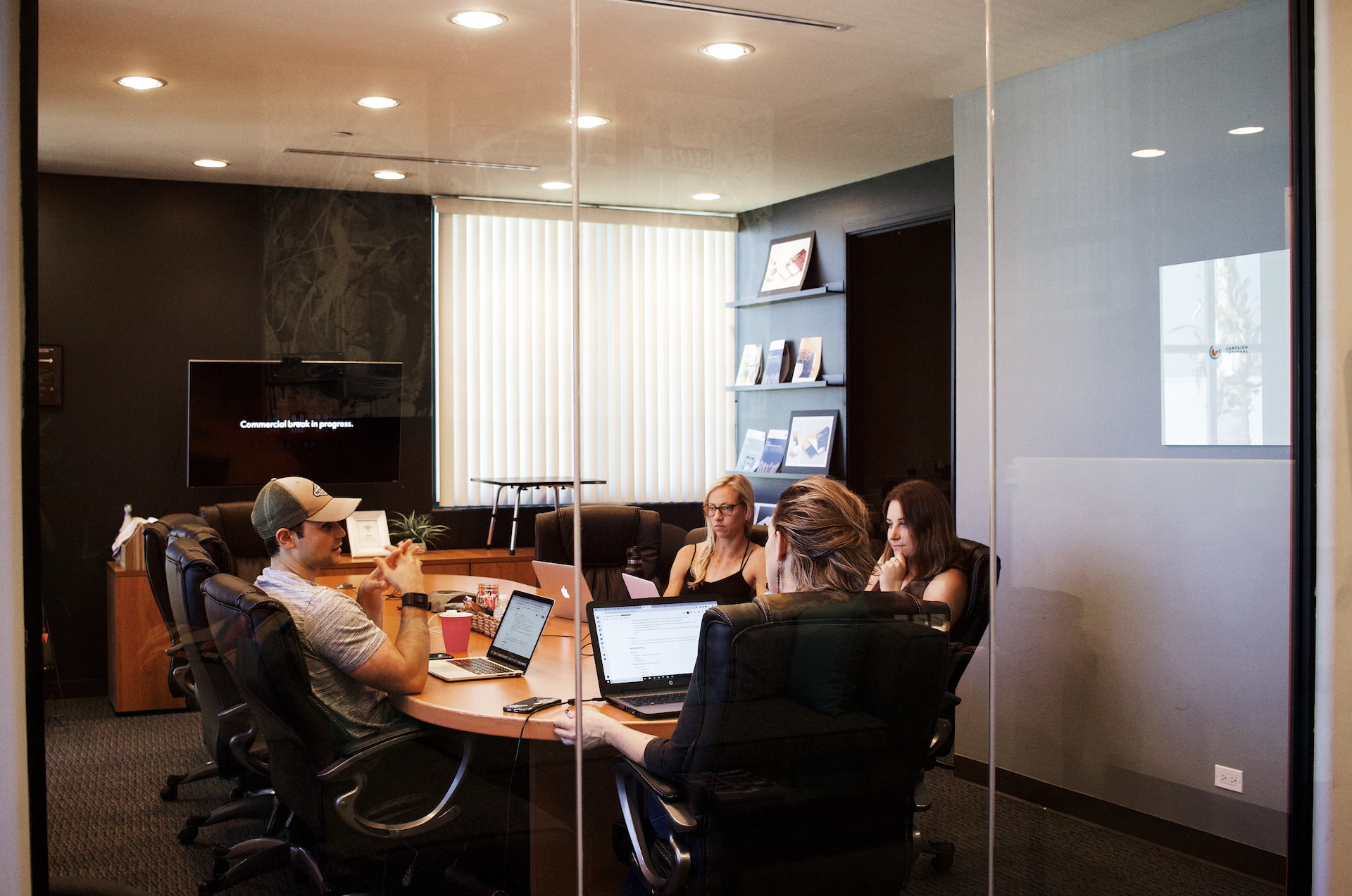
If you’re launching a specific project rather than a year or a strategy, you don’t need a full day. You need a tight, well-run hour that leaves everyone clear on what they’re building, who’s doing what, and when it’s due.
The same principles apply: state the purpose up front, invite only the people who need to be there, and send a summary within 24 hours. The agenda is just more compact:
| Time | Agenda Item | What To Cover |
|---|---|---|
| 0:00 | Purpose and context | Why this project exists, what problem it solves, and how it connects to company goals |
| 0:10 | Scope and deliverables | What’s in, what’s out, and what “done” looks like |
| 0:20 | Roles and responsibilities | Who owns what, who decides, and who needs to be kept informed |
| 0:30 | Timeline and milestones | Key dates, dependencies, and the first checkpoint |
| 0:40 | Risks and open questions | What could slip, what’s still unknown, and who’s resolving it |
| 0:50 | Working agreements | How the team communicates, where work lives, and how often you’ll check in |
| 0:55 | Next steps | Immediate actions, owners, and the date of the first follow-up |
A few things that make project kick-offs work:
- Send A Pre-Read: A one-page brief with the goals, scope, and timeline gives people a chance to arrive with questions rather than spend the first 20 minutes catching up.
- Keep Slides To A Minimum: A project kick-off is a working session. If you’re presenting for more than 15 minutes, you’ve turned it into an info dump.
- Leave With Owners, Not Ideas: Every action item needs a name and a date before the meeting ends.
- Build In A Connection Moment: Even on a 60-minute call, a five-minute icebreaker or a quick round of introductions pays off, especially when the team hasn’t worked together before. Our list of fast team building activities you can do in 30 minutes or less has options that fit.
The rest of this guide, especially the sections on engagement and follow-through, applies just as much to a 60-minute project kick-off as it does to a three-day company event.
How To Keep Attendees Engaged
The most common way a well-planned kick-off goes wrong is simple: too much talking at people, for too long. It’s tempting to cram every piece of information into the one time you have everyone’s attention, but overloading the agenda is a surefire way to lose the room.
Attention spans in meetings are short. Most people can only maintain focus for 10 to 20 minutes before their minds wander, and information retention drops sharply after the 18-minute mark, which is why TED Talks cap at that length. An entire day of back-to-back presentations is a day most people won’t remember.
Think of your kick-off as a chance to connect and collaborate, not to lecture. Use meeting time for connection, collaboration, and decision-making, and share everything else asynchronously.
Limit The Topics
A packed agenda may seem efficient, but it overwhelms people and dilutes the focus of the meeting. Instead of trying to cover everything:
- Focus On Two Or Three High-Priority Items: If a topic doesn’t serve one of the goals you set at the start, cut it or move it to a pre-read.
- Ask the Relevance Question: For every piece of content, ask “Does this person need this information right now to move forward?” If not, it belongs in the recap.
- Share Pre-Reads: Send background materials ahead of time so you don’t spend meeting time on context. A short recorded video or a shared document works well, and AI tools like ChatGPT or Notion AI can help you distill complex material into a concise summary.
Keeping the agenda focused helps people retain what matters and makes sure your goals get met.
Break It Up
Structure the day into short, digestible sections of 15 to 20 minutes per topic at most, and reset attention between them:
- Brain Breaks: Build in two- to three-minute breaks every 20 to 30 minutes. Our brains need downtime to process information.
- Interactive Elements: Polls, quick discussions, or brief activities between presentations reset attention spans.
- Movement: Anything that gets people out of their chairs, even briefly, helps.
If there’s a lot of information you need to cover, split it into segments with something fun and interactive in between.
Include Interactive Sessions

An entire meeting of presentations loses the room by mid-morning. Interactive sessions give attendees the chance to connect with colleagues, apply what they’ve learned, and re-energize. Consider incorporating:
- Interdepartmental Discussions: Cross-department sessions align teams and encourage collaboration across silos.
- Team Building Activities: Scavenger hunts, indoor challenges, or escape rooms energize attendees and build teamwork. For a room-based session, indoor team building activities are the easiest to slot into a conference agenda.
- Brainstorming Workshops: Split attendees into small groups to tackle real challenges and generate solutions.
- Live Polling and Quizzes: Apps like Slido or Mentimeter make keynotes more engaging and give you data on what landed.
- Hands-On Learning: Experiential workshops, such as leadership challenges or vision-setting exercises, reinforce skills and tie back to your theme.
- Collaborative Tools For Hybrid Groups: Miro, FigJam, or MURAL let in-person and remote participants work on the same problem in real time.
Interactive sessions keep energy high and get people working with the material rather than sitting through it.
Outback Activities And Training Sessions That Work Well For Kick-Offs
If you want a ready-made option for the activity slots in your agenda, these are the ones we see work best at kick-offs, and why:
- Momentum Launch: Teams build catapults and towers, complete challenges, and compete in a launch tournament. The build-then-launch format mirrors what a kick-off is for, and it runs well in a hotel ballroom or conference space.
- Team Pursuit: A series of mental, physical, and skill-based mystery challenges that let different people shine. A good fit when you want cross-department teams working together for the first time.
- Game Show Extravaganza: A hosted, high-energy game show that scales to large groups and fits a 60 to 90 minute slot. Ideal for the post-lunch energy dip in a one-day agenda.
- Wild Goose Chase: A smartphone-based scavenger hunt around your venue’s city. The right pick for an off-site kick-off, since it gets people out of the meeting room and exploring together.
- Charity Bike Buildathon: Teams build and donate bicycles to a local children’s charity. A strong choice when your kick-off theme is built around values or purpose, and it gives the closing session a memorable finish.
For the professional development slot on the agenda, a facilitated workshop does more than a presentation. Three that fit the kick-off context:
- Creating Mission, Vision, and Values: Pairs directly with the goals and vision session. Instead of presenting values to the team, the team helps define them.
- Discovering Workstyles with DiSC: Helps people understand how their colleagues work and communicate. Useful at the start of a year or project when teams are forming or changing.
- Positive Team Dynamics: Builds a shared framework for how the team will work together, which is exactly what the plan of action session is trying to establish.
Our event facilitators can help you match an activity to your group size, venue, and theme. Browse the full range of in-person team building activities and professional development programs to see what else fits.
Ask For Feedback
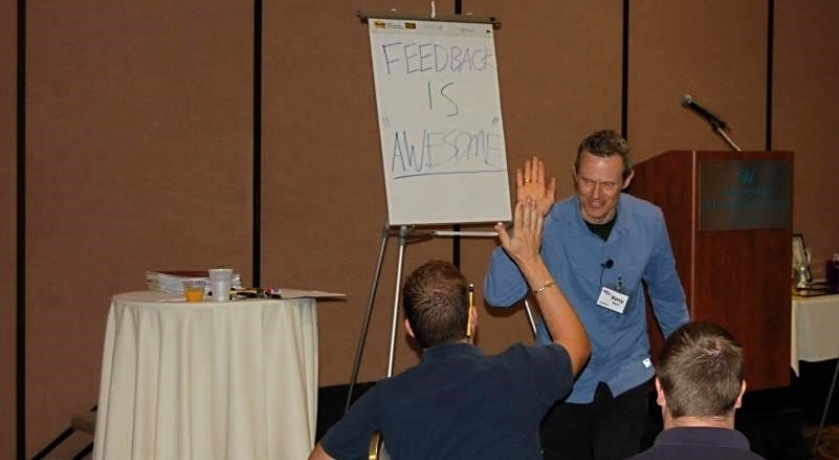
Feedback is how you measure whether the kick-off worked, how you find out whether your team is aligned, and how you make the next one better. Many kick-offs never create a real opportunity for people to share what they think.
Asking for feedback signals that you value your team’s input. Here’s how to build it in:
- Ask Specific Questions: “Does everyone feel clear on the project goals?” or “Are there any challenges we need to address up front?” will get you far more than “Any questions?”
- Use A Simple Framework: Start, Stop, Continue works well. What should we start doing? Stop doing? Keep doing?
- Offer Anonymous Options: Anonymous surveys and live polls (Google Forms, SurveyMonkey, Slido, Mentimeter) often yield more candid responses than open discussion.
- Follow Up Within 24 To 48 Hours: Collect post-meeting feedback while the experience is fresh. Ask what worked, what didn’t, and how to improve.
- Act On It And Say So: If people share feedback and nothing changes, they stop sharing. Communicate what you heard and what you’re doing about it.
- Mine The Transcript: AI meeting assistants like Otter.ai or Fireflies.ai can analyze recordings to flag confusion points, engagement dips, or questions that came up repeatedly.
Input from your team can refine not just your next kick-off but the entire trajectory of the project.
After The Kick-Off: 12 Ways To Stick The Landing
A kick-off is only the first step. It sets the tone, sparks excitement, and aligns your team, but what you do afterward determines whether any of that translates into results. Without deliberate follow-through, momentum fades, action items get forgotten, and teams drift back to business as usual within a week or two.
Here’s what to do once the meeting wraps.
1. Send Out A Summary
Your first move is a clear, concise recap so everyone has a shared understanding of what was discussed. Send it within 24 hours and cover:
- Key decisions and action items, each with an owner and a deadline
- Project goals and milestones
- Resources and links shared during the meeting
- The date of the next check-in
Go beyond plain text where you can. Photos, a short video walkthrough, or a few key slides make the summary more engaging. AI tools like ChatGPT, Notion AI, or Fireflies.ai can generate a first draft from your recording in minutes, and for async teams, a quick Loom video feels more personal than an email.
2. Stay In Touch
Communication doesn’t stop after the meeting. Decide how often the team connects and make sure everyone knows the rhythm:
- Daily: For time-sensitive projects or critical tasks, short daily check-ins help avoid delays.
- Weekly: Use weekly updates to monitor progress, discuss strategy, and address challenges.
- Monthly: Schedule a deeper review to assess overall progress, evaluate performance, and adjust plans.
For distributed teams, lean on asynchronous updates (Slack threads, shared docs, short videos) that respect time zones. Not every update needs a meeting.
3. Schedule Follow-Ups
Your kick-off should be the first of several structured meetings. Scheduling follow-ups at key intervals keeps alignment and accountability on the calendar rather than leaving them to chance:
| Meeting | When | Purpose |
|---|---|---|
| Kick-off | Day one | Share goals, align the team, and set the tone |
| Follow-up 1 | About 25% through | Review tools, resources, and communication protocols; clear early blockers |
| Follow-up 2 | About 50% through | Evaluate progress against goals; discuss what’s working and what needs to change |
| Follow-up 3 | About 75% through | Confirm the path to completion and address remaining risks |
| Close-out | At completion | Celebrate successes, capture lessons learned, and close with a team celebration |
Put all of these on the calendar before you leave the kick-off. Scheduling assistants like Reclaim.ai or Motion can find reasonable times across time zones automatically.
4. Bring Back Reminders
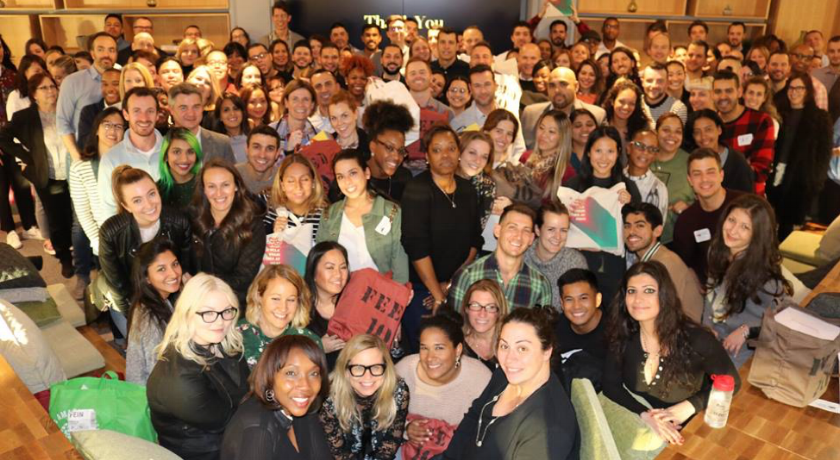
Create physical or digital reminders of what the team committed to. Hologic’s team, for example, built a custom 3D wooden sculpture as part of a team building activity during their meeting. It now sits in their office as a reminder of what they achieved together.
For remote and hybrid teams, reminders need to live where people already work:
- A Slack channel banner with project goals or a quote from the kick-off
- Rotating Zoom or Teams backgrounds featuring the theme or milestone countdowns
- A living project dashboard in Notion, Confluence, or Monday.com that acts as the single source of truth
- A pinned post with kick-off photos, key slides, and the summary
For in-person teams, framed mission statements, displayed flipchart notes, or a team photo in a common area do the same job. Visual cues make goals feel tangible.
5. Keep Your Team Accountable
According to the Harvard Business Review, holding people accountable remains one of the biggest challenges managers face. To build accountability in:
- Set Clear Expectations: Define roles and deliverables so everyone knows what’s expected.
- Track Measurable Progress: Use data and metrics to highlight what matters most.
- Create Action Plans: Work with individuals or teams on clear plans and timelines.
- Consider OKRs: Objectives and Key Results, used by companies like Google and LinkedIn, create transparent, measurable goals that align individual work with team outcomes. Tools like Lattice or 15Five help track them.
- Provide Support: Be available to answer questions, offer guidance, and remove obstacles.
When accountability is shared rather than imposed, teams stay motivated and deliver.
6. Leverage Technology To Streamline Follow-Ups
Project management platforms like Asana, Monday.com, Trello, or ClickUp track action items, assign tasks, and set deadlines. Their automation features can send reminders, flag delays, and surface insights without anyone having to chase.
Workflow tools like Zapier or Make take it a step further. For example, you can automatically:
- Send a Slack message when a task status changes
- Create a calendar reminder when the project hits 50% completion
- Compile a weekly digest email from updates across tools
- Alert team leads when deadlines approach
The key is choosing tools your team will use, rather than adding complexity for its own sake.
7. Foster Psychological Safety
A kick-off sets the tone for collaboration, but what happens next determines whether people feel empowered to speak up. Teams with high psychological safety see less turnover and more innovation, because problems get raised early and solved faster. To create it:
- Invite Honest Feedback: Anonymous surveys or direct conversations surface concerns people won’t raise in a group.
- Hold Retrospectives: During follow-ups, make space to discuss roadblocks and lessons, with the focus on learning rather than blame.
- Model Openness: When leaders admit they don’t have all the answers, it gives everyone else permission to do the same.
- Normalize Asking For Help: Celebrate when team members raise their hands for support rather than struggling in silence.
Psychological safety is the foundation that makes everything else on this list work.
8. Prioritize Inclusivity And Flexibility
Not everyone on your team works the same way, in the same time zone, or on the same schedule. The accessibility principles from the planning phase apply after the kick-off too:
- Record Meetings And Provide Written Summaries: This covers anyone who can’t attend live.
- Centralize Resources: A shared space like Notion, SharePoint, or Google Drive means nobody has to dig through email to find what they need.
- Offer Multiple Ways To Contribute: Written, verbal, and visual options let different work styles participate fully.
- Prioritize Outcomes Over Hours: If someone delivers excellent work on a non-traditional schedule, that’s a win.
These adjustments are small, and they keep every team member connected and aligned.
9. Define And Celebrate Micro-Wins
Big projects feel overwhelming when the finish line is far away. Breaking goals into smaller milestones and recognizing them keeps people motivated through the middle of a project:
- Call Out Wins In Weekly Check-Ins: Someone unblocked a tricky issue, or a cross-functional handoff went smoothly. Say so.
- Track Progress Visually: A shared board or dashboard makes momentum visible.
- Celebrate Creatively: A lunch gift card, an early finish on a Friday, or five minutes in a meeting to acknowledge great work.
- Enable Peer Recognition: Bonusly, Nectar, or a simple Slack bot let teammates recognize each other in real time.
When recognition becomes part of your team’s daily rhythm rather than a quarterly formality, it carries more weight.
10. Tie Outcomes Back To Larger Purposes
The kick-off may have focused on details, but don’t let the bigger picture fade. People work harder when they understand how their efforts contribute to something larger:
- Be Specific About Impact: Instead of “this helps the business,” say “this will reduce customer wait times by 30%, which means hundreds of people get help faster every day.”
- Link To Values: Show how the work supports innovation, sustainability, or social impact, not just revenue.
- Bring In Customer Stories: A testimonial, a data point, or a thank-you message makes abstract goals concrete.
- Encourage Reflection: Ask team members during follow-ups how their contributions are making a difference.
A strong sense of purpose inspires commitment and keeps people invested in the work ahead.
11. Invest In Post-Kick-Off Team Development
The best teams don’t stop building connection after the kick-off. Ongoing development reinforces skills, strengthens relationships, and keeps momentum alive:
- Workshops and Training: Skill-building sessions tailored to the team’s needs, like communication or creative problem-solving.
- Collaborative Challenges: Trivia, brainstorming sessions, or outdoor challenges that foster camaraderie.
- Team Building Check-Ins: Periodic activities that reconnect the group and revisit the goals.
Making team development part of the annual process, rather than a once-a-year event, is what turns a good kick-off into a good year.
12. Build In Buffer Time And Flexibility
Not everything goes to plan. A supply chain issue disrupts your timeline, a key team member gets sick, or leadership pivots mid-project. Building flexibility into the post-kick-off timeline is realistic project management:
- Plan For The Unexpected: Build 10 to 15% buffer time into the project timeline.
- Review Priorities Regularly: Every few weeks, check whether the project’s priorities still align with business needs, and be willing to pivot.
- Use Shorter Planning Cycles: Six- to eight-week cycles let you respond to change without losing direction.
- Communicate Changes Clearly: Teams can handle pivots. They struggle with feeling left in the dark.
- Protect What Matters Most: Identify the non-negotiable outcomes so you know when to adapt and when to hold firm.
The teams that succeed are the ones who can adapt their plans without losing sight of their goals.
Your Kick-Off Meeting Checklist
Here’s the whole guide in one place. Use it as a planning checklist, and come back to it the week after the meeting.
Before The Kick-Off
- Decide which of the four goals this meeting serves (present, excite, align, set expectations)
- Finalize the attendee list using Deciders, Doers, and Need-to-Knows
- Choose a theme (company kick-offs) and carry it through every session
- Book an off-site venue, or make the office feel different
- Confirm AV, cameras, and microphones for remote attendees
- Assign a hybrid advocate to monitor chat and surface remote questions
- Send the agenda and pre-reads at least 48 hours in advance
- Build the agenda around the eight topics, with no segment longer than 20 minutes
- Book the team building activity for the post-lunch slot
- Plan healthy food, breaks, and a schedule that ends at a reasonable hour
During The Kick-Off
- Open by stating the purpose and goals out loud
- Celebrate wins before getting into plans
- Keep everyone on camera if anyone is remote
- Turn on captions and describe visuals verbally
- Run at least one interactive session for every two presentations
- Collect questions through a polling tool as well as in the room
- Assign owners and dates to every action item before the plan-of-action session ends
- Close on culture and a collaborative activity
After The Kick-Off
- Send the summary within 24 hours
- Collect feedback within 48 hours, then share what you heard
- Put the 25%, 50%, 75%, and close-out follow-ups on the calendar
- Set up the project dashboard and automated reminders
- Post a visible reminder of the goals where the team works
- Schedule the first micro-win celebration
- Build a 10 to 15% buffer into the project timeline
Work through the list in order, and you’ll have covered every stage of the process.
Kick-Off Meeting FAQ
How Long Should A Kick-Off Meeting Be?
It depends on what you’re kicking off. A project kick-off should run 30 to 90 minutes. A team or department kick-off usually fits in a half day. A company-wide kick-off that launches a year or a major strategy typically runs one to three days, with a mix of presentations, breakouts, and team building. Whatever the length, no single segment should run longer than 20 minutes without a break or an interactive element.
Who Should Attend A Kick-Off Meeting?
Only the people who are directly involved in or affected by the work. Sort your potential invitees into Deciders (people who make calls), Doers (people who execute), and Need-to-Knows (people who need the information but not the meeting). Invite the first two groups and send the third a recap.
What’s The Difference Between A Project Kick-Off And A Company Kick-Off?
A project kick-off launches a specific piece of work. It’s short, focused on scope, roles, timeline, and risks, and includes only the project team and sponsors. A company kick-off launches a year, quarter, or major initiative for a whole department or organization. It’s longer, leans on inspiration and culture as much as information, and benefits from a theme, an off-site venue, and team building.
What Should A Kick-Off Meeting Agenda Include?
For a company kick-off: celebrate past successes, present goals and vision, introduce key leaders, outline the roadmap, agree on a plan of action, cover professional development, open the floor for feedback and Q&A, and close on company culture. For a project kick-off: purpose, scope, roles, timeline, risks, working agreements, and next steps.
Can A Kick-Off Meeting Be Virtual?
Yes, and many are. The same principles apply: keep segments short, build in interactive sessions, use breakout rooms and polling tools, and schedule breaks. Virtual kick-offs work best when they’re shorter than their in-person equivalents and when the team building activity is designed for a screen rather than adapted from an in-person format.
How Soon After The Kick-Off Should I Follow Up?
Send the summary within 24 hours and collect feedback within 48. Schedule the first structured follow-up meeting at roughly the 25% mark of the project, with further check-ins at 50% and 75%, and a close-out at the end.
Want To Learn More About Team Building Activities For Company Kick-Off Meetings?
If you’d like to infuse your kick-off meeting with a team building element, you can book a free consultation with one of our knowledgeable Employee Engagement Consultants.