Team communication is how people share information, ideas, questions, and feedback to get work done together.
When it works: you get fewer surprises, faster decisions, more creativity. When it doesn’t: duplicate work and missed deadlines. Even the quiet frustration of people talking past each other.
The patterns are predictable. A leader makes a decision in a meeting. However, only half the team hears about it.
People use different tools for the same task. Remote teammates sit quietly on video calls because they don’t want to interrupt. Or everyone assumes someone else will follow up.
This page covers what you need to know about effective team communication. Read on to learn how to improve it and how to get everyone contributing.
Table of Contents
- Effective Team Communication and Its Common Barriers
- How To Enhance Team Communication
- Role of Leadership in Promoting Effective Communication
- Building a Culture of Communication
Effective Team Communication and Its Common Barriers
Understanding the importance of team communication
Communication drives productivity and boosts morale. When teams share context openly and give useful feedback, they move faster with fewer do-overs.
McKinsey estimated that using collaborative technologies effectively can raise the productivity of interaction workers by 20 to 25%. That lift comes from better knowledge sharing and reduced email back-and-forth.
Poor communication is expensive. The Project Management Institute found that ineffective communication is a primary contributor to project failure. It has a negative impact more than half the time. The numbers don’t lie:
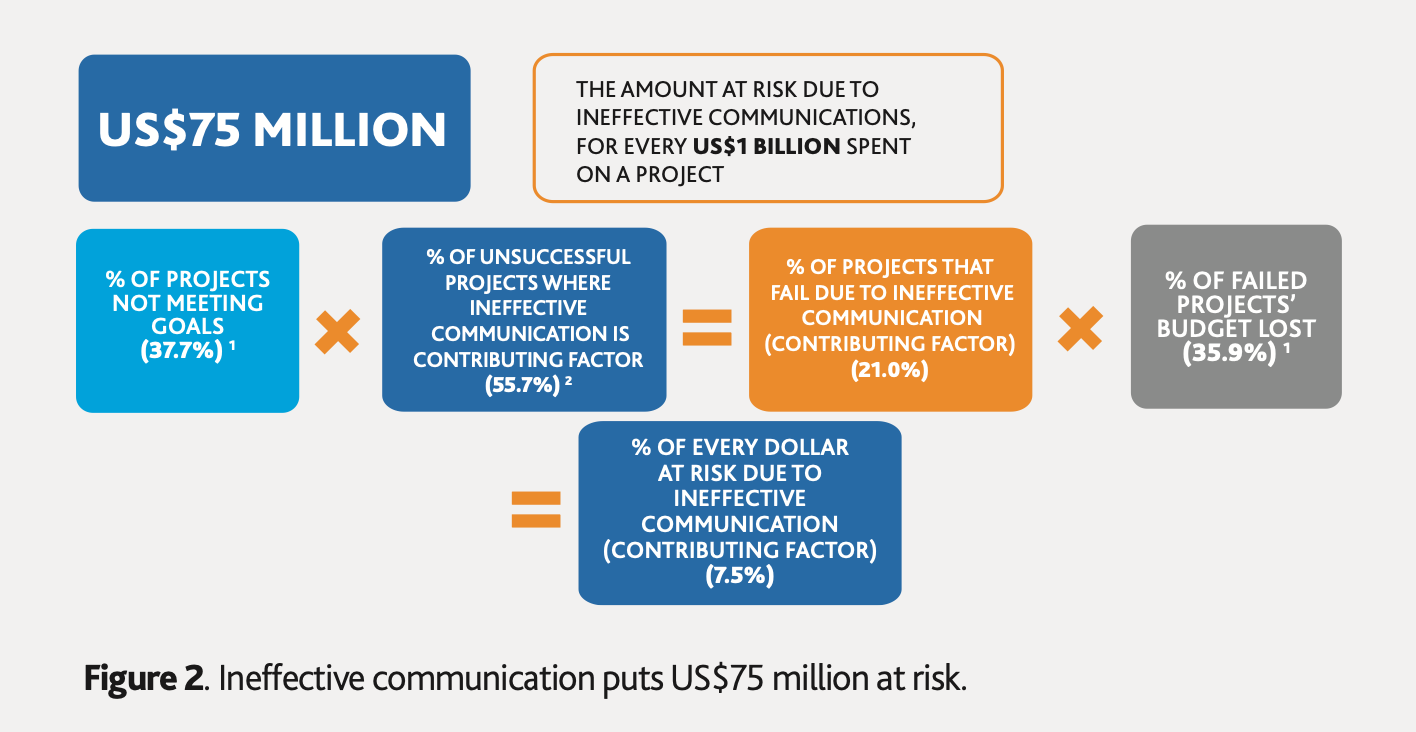
Analyses of enterprise communication breakdowns have put the annual cost in the tens of millions for large organizations.
There’s a human cost, too. When people aren’t sure what’s happening, they fill the gaps with worry or assumptions. Momentum stalls and trust erodes.
In electrical service, clear communication keeps technicians and customers on the same page. Sharing the right information helps avoid delays and creates a better customer experience. Andrew Bates, COO at Bates Electric, highlights why communication matters in the industry.
Bates says, “In electrical service, good communication keeps everyone on the same page. Our technicians, office team, and customers all need accurate information to keep jobs moving smoothly.
He adds, “When communication breaks down, even a simple misunderstanding can lead to delays and a frustrated customer. Clear communication helps the team respond quickly and deliver the service customers expect.”
Identifying barriers to effective team communication
Most teams don’t struggle because they lack effort. They struggle because subtle barriers build up. Here are common barriers to effective communication:
- Cultural differences create friction. What feels “honest” in one culture may feel blunt in another. Some teammates see quick interruptions as enthusiasm. Others see them as rude. Without norms, people hold back.
- Jargon and acronyms cause confusion. They help insiders move fast but leave others behind. If your new hire needs a glossary to decode your chat thread, they’ll hesitate to contribute.
- Hierarchy matters more than we admit. If the most senior person speaks first, the group often defaults to agreement. It’s hard to share a dissenting view when you’re two levels down.
- Remote and hybrid work magnify the problems. Video calls make turn-taking awkward. Time zones delay decisions. Chat can make small issues feel big and big issues feel small.
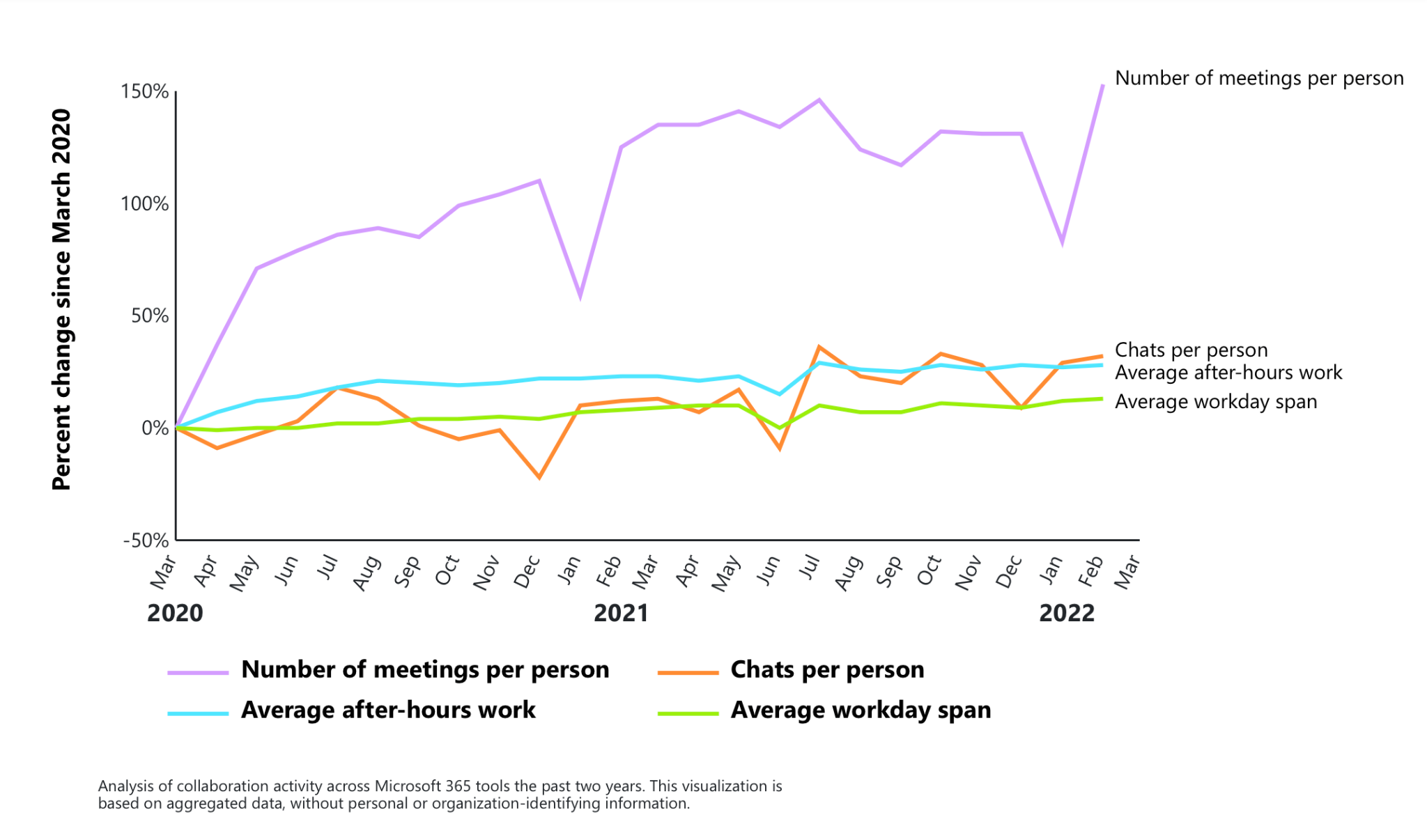
Microsoft’s Work Trend Index shows that since 2020, time spent in meetings has more than doubled and after-hours chats have risen. Signs of communication overload, not clarity. See the facts and figures below:
When details are missed or expectations aren’t clear, even routine tasks can become more complicated. Encouraging team members to ask questions, share updates, and speak up when something is unclear helps prevent misunderstandings and keeps everyone focused on the same priorities.”
Barriers usually don’t announce themselves. They show up as the person who used to speak up going quiet. Or the project that needs “one more meeting” because the decision wasn’t clear the first time.
How To Enhance Team Communication
1. Foster an open and inclusive environment
Psychological safety is the belief that you won’t be punished or humiliated for speaking up. It predicts team effectiveness better than almost anything else. Google’s Project Aristotle put it at the top of the list for high-performing teams.
A few ways to build it:
- Start meetings with the goal. Invite questions early. Say explicitly that dissent is welcome.
- Normalize “I might be wrong, here’s my take.” When leaders do it, everyone breathes easier.
- Use structured turn-taking. Try a quick round-robin before open discussion so quieter voices don’t get crowded out.
- Make decisions visible. A short decision log in your project doc keeps context accessible to anyone who couldn’t attend.
It’s best to ask, “What’s the strong counterargument to our plan?” It gives people permission to surface concerns without feeling negative.
2. Implement regular check-ins and feedback loops
Communication decays without cadence. Keep a lightweight rhythm:
Here’s what to implement:
- Weekly team check-ins – focused on priorities, blockers, decisions needed (15 to 30 minutes, tops)
- Biweekly or monthly 1:1s – for deeper feedback, coaching, and context
- Short retros after milestones – what helped, what hurt, what we’ll try next
Employee feedback loops don’t need to be formal. A simple “What should we start, stop, continue?” after a sprint can reveal blind spots fast. People engage more when they see their input leading to visible changes.
3. Utilize effective communication tools
Tools don’t fix culture. However, the right setup makes good habits easier.
Real-time chat works for Slack and Microsoft Teams. Create clear channel naming conventions (#project-website, #team-marketing) and pin a short “how we use this channel” note.
Tech stack to consider:
- Project and task management tools (Asana, Trello, Jira, ClickUp): These tools should be your source of truth for tasks and deadlines so status updates don’t get lost in chat.
- Async updates (Loom or Vidyard): They work well with video tools for quick video walkthroughs or written memos for complex topics. That way, people can digest and comment thoughtfully.
- Collaboration and whiteboarding tools (Google Docs, Notion, Confluence, Miro, and FigJam). These platforms let people co-edit instead of just screen-sharing.
Pick communication tools based on the work, not trends. Ask:
- Do we need speed (chat) or depth (doc/memo)?
- Will most stakeholders be async or live?
- What needs a durable record versus a quick check?
Then document your team’s communication “operating system”: where decisions live, how to request feedback, when to escalate.
4. Encourage team-building activities
Trust makes communication smoother. Trust grows faster when people see each other as humans. Not just job titles. That’s where team-building activities come in for work communication.
That said, six small, consistent habits with occasional bigger moments:
- Micro icebreakers – two-minute “win of the week,” or “what’s something that surprised you lately?”
- Collaboration games – problem-solving challenges, virtual escape rooms, or creative sprints where people pair up across functions
- Show-and-tell – demos of work in progress or a five-minute “teach us something you love”
- Service or volunteer projects – working together on something meaningful builds connection quickly.
Research shows that team-building, especially goal-setting and role-clarification activities, has a positive effect on performance. The best activities connect back to how your team works day to day.
Consider Outback Team Building’s corporate events and activities for effective team communication. They offer in-person and virtual corporate team-building activities designed to help boost employee engagement and build stronger team connections.
5. Measure and monitor communication effectiveness
You can’t improve what you don’t observe. Keep it light but intentional.
How to track and measure employee engagement:
- Pulse surveys work well. Ask a few questions monthly: I feel comfortable raising concerns. I know where decisions are documented. Our meetings have a clear purpose.
- Watch participation signals. Track who speaks in meetings, who comments in docs, who’s consistently quiet. Rotate facilitation and try different formats to balance voices.
- Monitor workflow indicators. These metrics include rework due to miscommunication. Issues reopened after “final” decisions. Or cycle times spiking after team changes.
- Check tool analytics. For instance, channel usage in Slack/Teams, doc comment resolution rates, meeting load trends. If meetings keep growing, experiment with async updates.
- Run quality checks. You can do this by skimming a sample of docs and project boards. Are decisions clear and findable? Are owners and due dates obvious?
Then run small experiments by, for example:
- Piloting a doc-first decision process for one project and comparing rework and decision speed
- Adding a five-minute “disagree and commit” step before closing decisions
- Trying a no-meeting half-day twice a week and tracking whether async updates improved clarity
Share results with the team and decide together what to keep or drop.
Role of Leadership in Promoting Effective Communication
Leaders set the communication climate. Intentionally or not. When leaders share context early and invite pushback, teams follow suit. That’s when you create effective communication in the workplace.
Simple practices go a long way:
- Model brevity and clarity. Start with the headline, then the details.
- Ask last. Let the team weigh in before you give your view to avoid anchoring the conversation.
- Close the loop. If someone raises a concern, follow up with what changed. Or why it didn’t.
- Share mistakes and lessons. A thoughtful post-mortem builds more credibility than a perfect highlight reel.
If communication isn’t a natural strength, treat it like any other skill. Workshops and inclusive facilitation help. So do simple habits like paraphrasing to check understanding and asking, “What am I missing?”
In fulfillment and logistics, leaders need to keep teams aligned across people, processes, and deadlines. Greg McRoberts, Founder of Verde Fulfillment USA, explains why leadership plays an important role in effective communication.
McRoberts notes, “Good communication starts with leadership. When leaders share important information and listen to their teams, everyone has a better understanding of what needs to get done. That clarity helps teams work together, solve problems faster, and stay accountable, ultimately achieving business success.”
Take Outback Team Building’s clear communication training program for professional development. This program helps your team communicate clearly, write better, read nonverbal cues, give better presentations, and handle conflict and decisions more effectively.
Building a Culture of Communication
Team communication is a set of daily choices that become habits over time.
That said, create space where people feel safe speaking up, and keep a steady cadence for updates and feedback. Likewise, choose tools that fit the work and build trust through small, human moments. Finally, have leaders model clarity, curiosity, and follow-through.
Try one or two things this month. Maybe a round-robin in your next meeting. A short decision log. Or a lightweight retro at the end of your sprint. Notice what shifts.
Ultimately, teams that communicate clearly don’t just move faster; they move together.
If you’re looking to build a culture of communication, consider Outback Team Building’s clear communication training program for professional development.
Author Bio
Catherine Schwartz is a marketing & e-commerce specialist helping brands grow their revenue and take their businesses to new levels. Her work sits at the intersection of brand, content, and commerce. She translates big-picture strategy into the day-to-day decisions that actually compound: which audiences to reach, what story to tell, and how to make every channel pull its weight. She write about marketing, PR, technology, and team performance.