Gen Z isn’t just knocking on the workplace door anymore. They’re walking right in and rearranging the furniture. Take that literally and figuratively!
With more people born in the late 1990s and early 2010s joining teams, traditional team-building methods are becoming outdated. Activities like big off-sites or trust falls don’t connect as well with a generation that values flexibility and digital skills.
This article looks at how Gen Z is changing team building and what leaders need to adjust right now. Read on to understand this generation—Why they’re different and what you should do differently. More importantly, as a leader, learn how to implement a new team-building approach.
Table of Contents
- Who is Generation Z?
- Why Gen Z is different
- How Team Building Used to Work, And Why It Doesn’t Anymore
- 5 Things Leaders Must Understand
- Practical Tips for Implementing New Team-Building Strategies
- Final Note
Gen Z is entering the workforce. This generation could soon surpass Millennials as the largest generation at work. In fact, they now make up 27% of the workforce across Organization for Economic Cooperation and Development (OECD) countries. But when it comes to team building, what can you offer?
Who is Generation Z?
Generation Z typically refers to people born from about 1997 to 2012. They grew up with the internet (not to mention social media) and smartphones as a backdrop to daily life. It shows up in how they communicate and how they work.
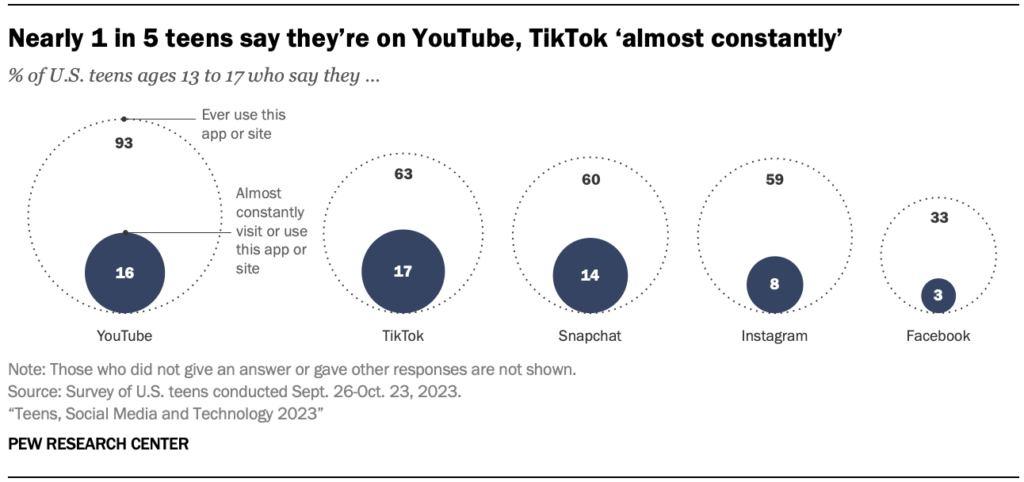
Pew’s recent study of U.S. teens found that 95% have access to a smartphone. A vast majority of them say they’re on social media almost constantly (have a glimpse of the facts and figures below). Research indicates that teens’ near-constant connectivity is rising, which helps explain Gen Z’s comfort with digital-first team experiences.
Likewise, Gen Z is moreracially and ethnically diverse generation than the older generations. They’re notably values-driven. They care about inclusion and diversity as well as social impact and mental health. That mix of digital ease, vast diversity, and social consciousness, among others, sets the tone for how they want to show up at work.
Why Gen Z is different
Unlike earlier generations, Gen Z expects work to fit into a full life, not the other way around.
Gen Zers look for roles and teams that reflect their values and offer growth. They also seek those that allow for flexibility (think remote, hybrid, async, or some intentional blend). Why not? While 63% of U.S. employees are back in the office in 2025, 28% work in hybrid setups, and nearly 10% are entirely remote.
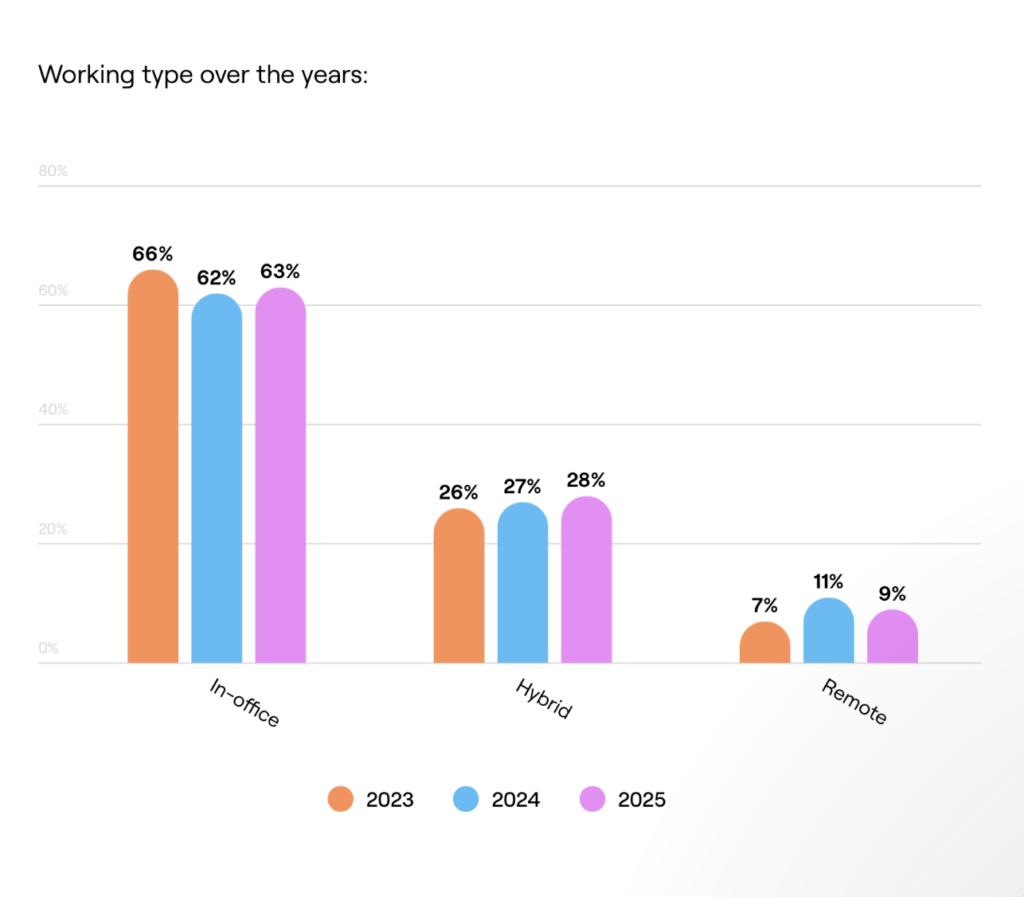
Surveys show that remote-capable workers prefer hybrid or remote options, especially younger employees who value flexibility. Gallup reports a steady preference for hybrid work, which is now a basic expectation for Gen Z in team settings.
They also expect inclusive cultures to be the norm. And they want their work to matter. Those priorities shape how team building should look and feel to achieve real engagement.
How Team Building Used to Work, And Why It Doesn’t Anymore
Team building methods aren’t necessarily broken. However, they haven’t kept up with changes in the workplace.
Many organizations still rely on outdated formats instead of evolving toward custom team-building activities. These activities must reflect how Gen-Z teams actually communicate and collaborate.
Traditional approaches
Traditional team building focused on in-person, scheduled events like ropes courses, trust falls, lunch potlucks, and detailed off-site agendas. These were usually top-down, with little customization or connection to daily work tools.
For Gen Z, that misses the mark:
- Rigid hierarchy limits participation.
- One-size-fits-all activities can feel forced or exclusionary.
- Events that ignore digital behavior or accessibility risk leave people out.
Even when the intentions are good, the format gets in the way of genuine connection.
What needs to change
Gen Z wants a connection that feels real, flexible, relevant, and valuable. That means shorter, more frequent team moments instead of one giant event. It means:
- Digital integration (using tools your team already loves)
- Inclusive options (that include almost everyone).
- Activities with real values (not just numbers and outcomes).
As you can see, gen Z brings digital fluency and social consciousness to the workplace in equal measure. You need to redesign your team building around these strengths. To create real engagement with this generation, consider offering:
- Virtual escape rooms
- Collaborative coding challenges
- Purpose-driven volunteer projects
- Professional development initiatives
The good news? Outback Team Building offers a handful of options that align with Gen Z’s needs. They offer activities that can truly engage the younger generation, whether in-person, virtual, or self-hosted team building.
5 Things Leaders Must Understand
To engage Gen Z, leaders need more than good intentions. It’s crucial to strategize team building for Gen Z to engage the new workforce.
These five principles show what matters most to today’s teams and where leaders should adapt to build real connections.
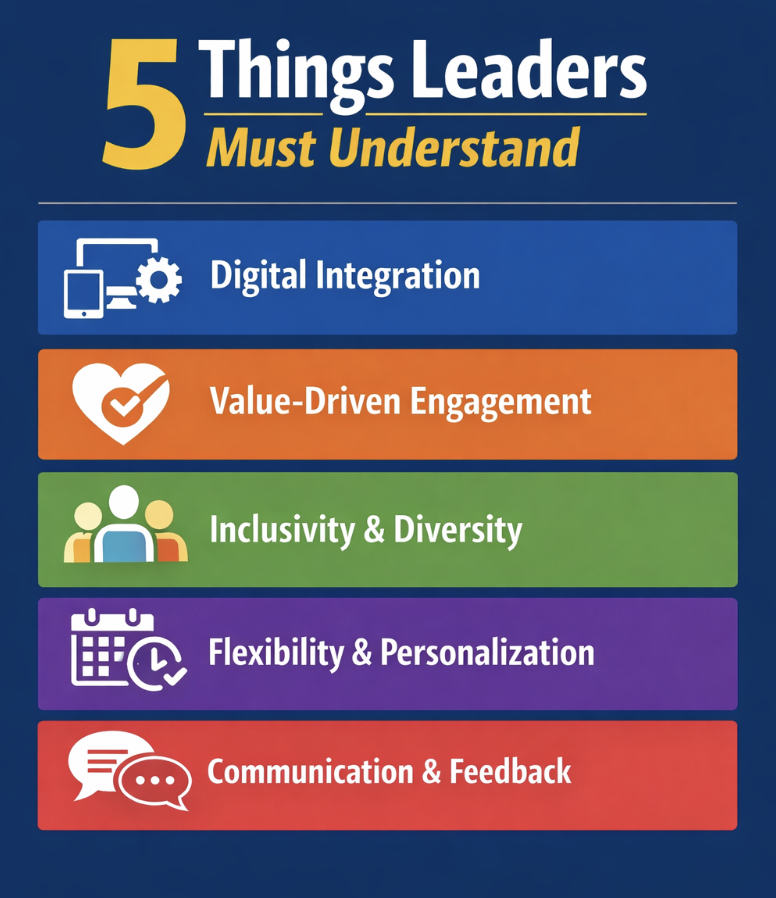
Image source: Generated by the author via ChatGPT
1. Digital integration is non-negotiable
Gen Z is digitally native. If your team-building plan doesn’t include the tools they already use, it will feel out of step. Lean into platforms that make collaboration simple and fun:
- Virtual escape rooms or puzzle platforms for quick wins
- Whiteboard tools like Miro or FigJam for creative sprints
- Kahoot! or Quizizz for low-stakes knowledge sharing
- Slack or Teams channels for async challenges (with emojis, GIFs, and micro-recognition)
The format matters, but so does how seamless it feels. Keep sessions short. Layer in interactive elements. Offer recordings or summaries so no one misses out if they can’t join live.
2. The call for value-driven engagement
Team building lands better when it connects to a cause. For instance, Outback provides charity and philanthropic team-building activities for a value-driven engagement.
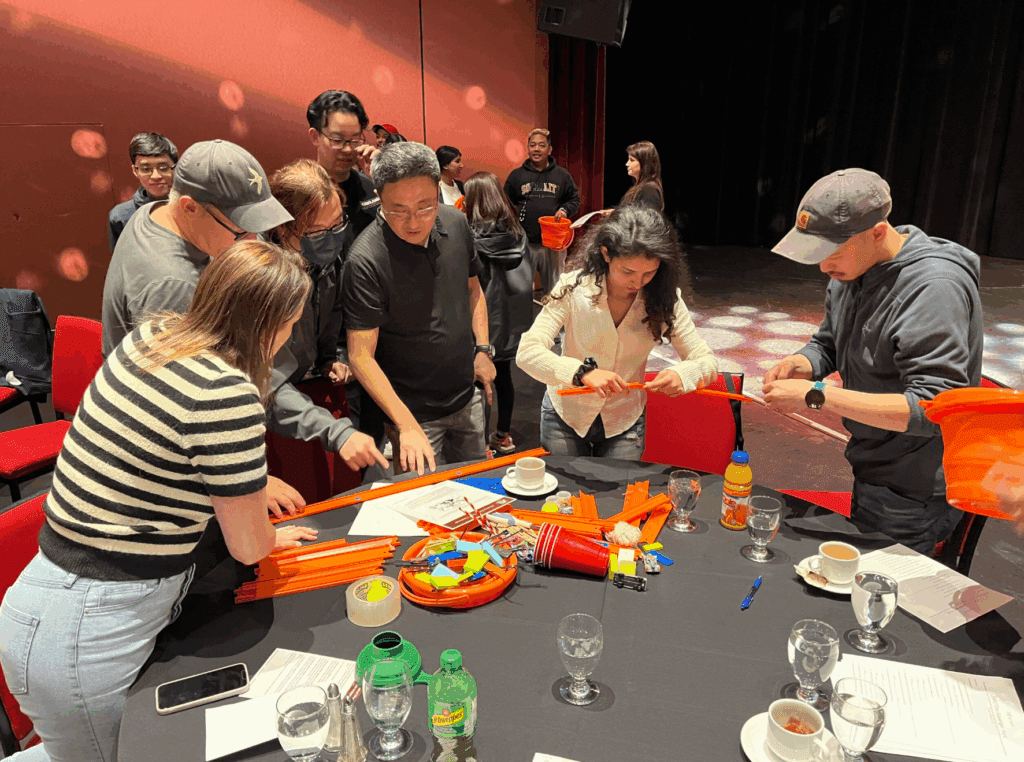
Learn from Tom Rockwell, CEO of Concrete Tools Direct. His company has its fair share of holding engagement events that connect with Gen Z and add value to his organization.
Rockwell says, “Gen Z employees actively seek meaning in every workplace interaction. Team building activities that incorporate social impact or environmental sustainability see much higher participation and enthusiasm. Connect team exercises to causes they care about, and you’ll see the difference.”
You don’t have to become a nonprofit to do this. For example:
- Tie a hackathon to reduce your product’s carbon footprint.
- Run a volunteer day with skills-based projects for local organizations.
- Or channel points from team challenges into donations that employees help choose.
Authenticity matters here. Choose causes that genuinely fit your mission.
3. The emphasis on inclusivity and diversity
It’s now essential to support inclusivity and diversity in the workplace. Gen Z expects inclusion to show up in the details amid a diverse workforce. That means accessible experiences and varied roles in activities, not to mention challenges that celebrate different perspectives.
Wang Dong, Founder of Vanswe Fitness, promotes diversity, equity, and inclusion (DEI) in the workplace. As he seeks to make fitness tools and equipment accessible to almost everyone, he sees how this resonates with Gen Z.
Dong explains, “Authentic inclusivity in team building means going beyond surface-level representation. Gen Z expects activities that celebrate different perspectives and accommodate various abilities. They go after events that create genuine connections across all backgrounds. Ultimately, this approach builds stronger, more innovative teams.”
There’s also a performance angle here:
Research continues to link diversity to better outcomes. McKinsey’s analysis shows that companies with more diverse leadership outperform their peers, a pattern they’ve reported across multiple studies. Team building is where you practice inclusion, not just talk about it.
4. The focus on flexibility and personalization
Activities that give people a choice get better engagement. Offer multiple ways to participate:
- Live and async
- On-camera or off
- Creative or analytical
- Social or individual
Andrew Bates, COO at Bates Electric, recommends personalizing team-building activities. He believes that flexible events resonate well with the younger generation.
Bates notes, “Flexibility defines Gen Z’s approach to work and teamwork. Successful team building now offers multiple participation options. It provides personalized challenges and self-paced elements. This generation thrives when they can engage on their own terms while still contributing to collective goals.”
Think modular experiences:
- A 20-minute kickoff
- A self-paced challenge window
- A short debrief.
Heed our advice: Design role-based contributions, so introverts and extroverts can play to their strengths.
5. The need for communication and feedback
It’s no secret: Effective communication is key to business success, and so is the employee feedback loop for workplace dynamics. Gen Z expects frequent, honest feedback. Team building should model that.
Take it from Adrian Iorga, Founder and President of Stairhopper Movers. He constantly communicates with his team about holding team-building activities. However, he asks for feedback to see if his engagement strategies work.
Iorga shares, “Gen Z values real-time, transparent communication in all aspects of work. Modern team building incorporates instant feedback loops and open dialogue forums. These elements transform one-time activities into ongoing relationship-building experiences.”
You don’t need a complicated system. For example, you can use:
- Simple pulse polls after activities
- Shout-outs in chat
- Sharing a clear summary of feedback and your next steps
This cycle builds trust and makes the next event even better.
Practical Tips for Implementing New Team-Building Strategies
Turning strategy into action is where most team-building efforts succeed or stall. The top trends in team building for professional development point to practical moves. These small changes fit into real workflows and deliver results without overwhelming teams.
When you put Gen Z in the overall equation, here’s what you need to do:
- Start with “micro” over “mega.” Run 30–45-minute sessions monthly instead of a single long annual event. String together themes so skills build over time.
- Blend live and async. Host a short live kickoff, then give a 48–72-hour window for a digital scavenger hunt or a problem-solving sprint. Wrap with a quick debrief. See Team pursuit as a perfect example:
- Make inclusion intentional. Provide closed captions, screen-reader-friendly materials, clear roles, and accessible tools for everyone involved. Offer alternatives to high-energy or public-speaking-heavy tasks.
- Tie activities to real work. Turn product or customer problems into game-like challenges. It’s more engaging and doubles as a collaboration practice.
- Track what matters. Measure participation rates and quick pulse scores, such as fun, engagement, relevance, value, and psychological safety.
- Create a feedback loop. After each activity, ask two questions: What should we keep and what should we stop? Share what you heard within a week and act on at least one item next time.
- Build recognition in public. But establish development in private. Celebrate contributions in your team’s chat, and follow up with a 1:1 with coaching notes tied to the activity.
- Pilot, then scale. Test with a cross-section of employees. Iterate based on their input before rolling out widely.
Final Note
Gen Z is changing team building in ways that benefit everyone:
- More flexibility
- More inclusion
- More meaning
- Less performative
- More practical
When leaders design digital-friendly, values-aligned, people-inclusive, approach-personalized, and feedback-rich experiences, two things happen:
- Teams get stronger
- The work gets better
You don’t need a giant budget and/or a perfect plan: Start small, listen closely, put your plan into action, and adjust your strategy. Ultimately, the teams that adapt fastest will feel the difference first, and they’ll be the ones people want to join.
Need engagement ideas for your department or organization? Check Outback’s corporate team-building activities and events, as you’ve got lots of options, whether in-person or virtual. Request a quote to get started!
Author Bio
Catherine Schwartz is an author who specializes in employee well-being and engagement.