The future of work is here.
AI is deeply integrated into workflows, and hybrid teams are now the new standard.
But many companies are still using a 2015 playbook for team building. They’re relying on simple rewards or an annual party and calling it done.
But the truth is, if you want a cohesive team, you need to think of team building as a strategic lever. One that connects dispersed employees and helps teams feel seen. An initiative that humanizes the AI-driven workplace — and reinforces your company’s specific strategic goals (whether that’s agility, innovation, or retention).
Let’s take a look at some trends that are at play here. And four key steps to aligning team building with your organizational strategy.
Table of Contents
- The 2026 Workforce: Why “Just for Fun” Is No Longer Enough
- Step 1: Diagnose Your Strategic Gap Before You Book
- Step 2: Mapping Activities to Business Outcomes (The ROI of Fun)
- Step 3: Integrating Data into Your Team Building Strategy
- Step 4: From One-Off to Continuous Curriculum
- Conclusion
The 2026 Workforce: Why “Just for Fun” Is No Longer Enough
2026 workforce trends and disconnected hybrid teams are making it more important than ever to preserve team bonding.
The idea of “let’s meet sometimes just for fun” isn’t enough.
The three trends at play here include:
1. The AI co-pilot era: As AI apps take over routine tasks, human soft skills become a premium company asset. Ongoing team-building strategies can help nurture creativity, empathy, and complex problem-solving.
2. Borderless teams: Hybrid work has matured. Teams are often global and asynchronous. Without the option to bump into each other for casual watercooler chats, teams struggle to build connections with one another.
3. The soft retirement trend: With older workers staying in the workforce longer but often in flexible roles, and Gen Z demanding purpose, the workforce is multigenerational and diverse. A team-building plan helps different generations understand each other and work toward the same mission.
That’s why high-performing teams are prioritizing internal alignment via team-building activities.
Teams with meaningful connections trust each other more, have higher team morale, and communicate better, according to McKinsey research. Collaborations run like well-oiled machines and employees genuinely enjoy working together.
Teams that trust each other are also over three times more efficient and five times more likely to produce results.
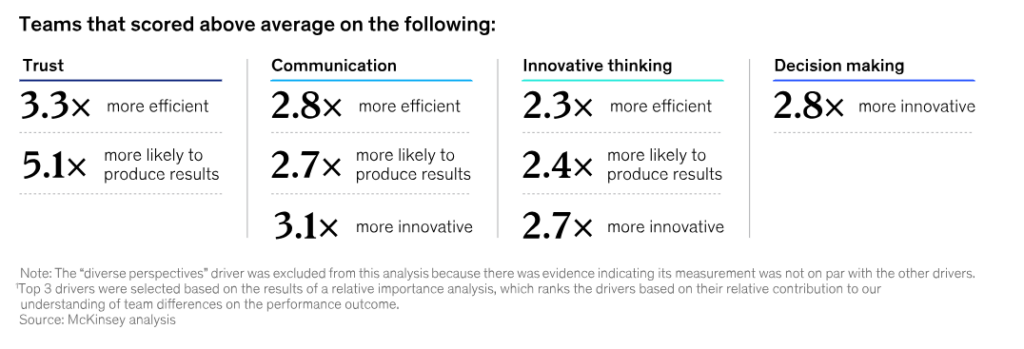
(Image Source) McKinsey Graphic
Step 1: Diagnose Your Strategic Gap Before You Book
Before browsing team-building activities, audit your organizational goals and your team’s current state.
For example:
➜ Is burnout high due to rapid change? If so, your team-building approach should focus on stress relief and building morale.
➜ Are you merging two departments? If so, trust and breaking down silos are a must.
➜ Is your strategy focused on rapid innovation? If so, having psychological safety to fail/experiment needs to be the top priority.
You don’t know what’s really going on though without hearing it from your team first.
To uncover how your staff feels, send everyone a pre-event survey that asks about employee goals and engagement. (Here’s a free Employee Engagement Survey template you can use for this.)
For example, you may learn that your physical therapist assistants would like more support going from PTA to PT (Physical Therapist Assistant to Physical Therapist).
That may mean mentoring under a PT in person each week and meeting for virtual coffee chats every two weeks. The mentorships would give them the chance to build skills, and the coffee chats would give them the space to ask questions without a set agenda.
Speaking of activities …
Step 2: Mapping Activities to Business Outcomes (The ROI of Fun)
Tie team building activities to your 2026 strategic goals for business growth.
An intentional team-building plan can help employees bond, obtain more skills, and feel more engaged with your company.
Here are some great corporate team-building activities:
Scenario A: Strategy = Agility & Crisis Management
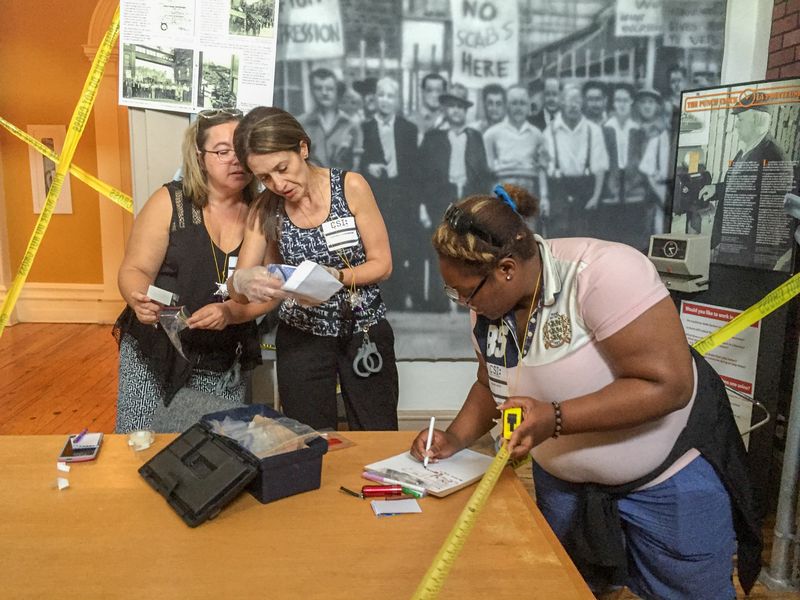
The Activity: Crime Investigators or In-Person or Virtual Escape Rooms.
The Why: These require rapid information sharing, role assignment, and critical thinking under pressure.
Great for IT or cybersecurity teams, crisis management groups, and fast-moving project teams.
Scenario B: Strategy = Innovation & AI Adaptation
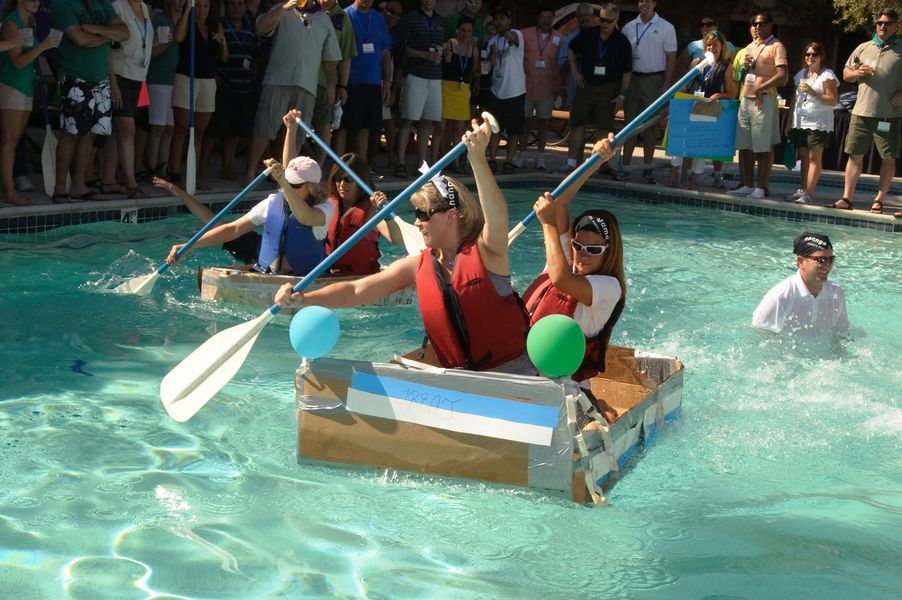
The Activity: Cardboard Boat Building Challenge or Domino Effect Challenge.
The Why: These physical build challenges force teams to prototype, test, fail fast, and iterate. (The exact mindset teams need for innovation strategies.)
Especially helpful for ecommerce teams and product development teams.
Scenario C: Strategy = Hybrid Cohesion & Belonging

The Activity: Virtual Trivia Time Machine or Virtual Clue Murder Mystery.
The Why: For fully remote teams, the strategy is simply connection. These structured virtual events level the playing field so introverts and extroverts engage equally.
Great for fully remote and hybrid teams.
Scenario D: Strategy = Leadership Meetings and Upskilling
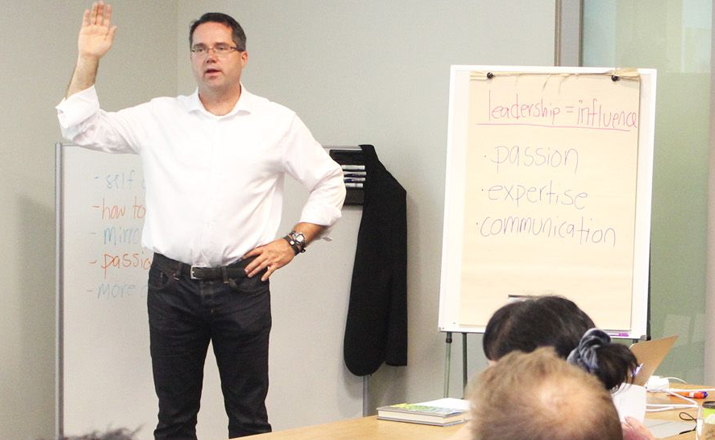
The Activity: Emotional Intelligence (EQ) Workshops.
The Why: As AI takes over routine tasks and data analysis, technical skills alone won’t make a great leader. Leaders need emotional intelligence to understand their team, manage conflict, motivate people, and build trust.
EQ workshops help leaders read emotions, gain communication skills, and create a company culture where employees feel seen and supported. (Skills that AI can’t replace.)
Want more team-building ideas?
Try:
- Using icebreaker questions when starting meetings.
- Hosting personal development mentorships.
- Hosting a dinner challenge.
- Solving a jigsaw puzzle.
- Hosting a book club.
- Making a goal tree.
- Drawing together.
- Playing laser tag.
- Vision planning.
Step 3: Integrating Data into Your Team Building Strategy
Use data to measure how successful your new team building approach is.
For instance:
- For pre-event benchmarks: Measure current sentiment or communication bottlenecks.
- For post-event analysis: Don’t ask surface-level questions like “Did you have fun?” Ask, “Do you feel more comfortable sharing a new idea with your colleague?” Check for trust and connection.
Aligning with strategy means being able to report back to the C-Suite on impact.
For instance, the Abacus Group demonstrates the importance of building a cohesive culture where teams are equipped to support strategic objectives. Their team cohesion has led to a 20+ year-long business with 100+ internal experts and partnerships with 78 institutional partners.
Step 4: From One-Off to Continuous Curriculum
An annual company retreat for check-ins and goal setting doesn’t support modern-day teams. In 2026, change is moving too fast for once-a-year alignment. Teams need regular opportunities to meet and build connections.
Try a quarterly rhythm.
Here’s an example:
- Q1: Kickoff / Strategy Alignment (Professional Development Workshop).
- Q2: Bonding / Morale Boost (Outdoor Scavenger Hunt or Virtual Scavenger Hunt).
- Q3: Problem Solving & Building Skill Sets / Agility (Indoor Puzzle/Escape Game).
- Q4: Celebration / Philanthropy (Charity Bike Build).
This approach keeps your culture aligned with strategy year-round.
When planning who attends activities and when, think about team dynamics. Group employees with shared goals or team roles.
For example, in a hybrid dental office, put the dentist, hygienist, and dental virtual assistant in one group. Pair the front desk, billing, and insurance in another group. Add an office manager or coordinator to each group to keep everyone aligned and moving together.
This makes mentorship opportunities and workshops more relevant to each employee.
Conclusion
2026 requires a smarter, more intentional approach to team building.
When team building is aligned with strategy, it stops being an expense and starts being an investment in the company’s future.
Need support with your team building approach? Contact an Outback employee engagement consultant to customize a program that fits your specific 2026 strategic goals.
Author Bio
Mike Bandar is an award-winning UK-based entrepreneur. A Founding Partner of Turn Partners, the startup studio focused on the acquisition, turnaround, or creation of digital businesses. Through Turn Partners, Mike co-founded Hopper HQ, the Instagram planning and scheduling tool, working with thousands of influencers, brands and agencies around the world.