Gen Z has officially entered the workforce, and they’re expecting more than paychecks. They want work that protects their mental energy, lets them manage their time, and connects to a purpose they care about.
For managers, this means thinking differently about workload, meetings, and team interactions. It also means structuring work so that wellness isn’t an afterthought, but part of how your team operates.
Supported teams handle stress better, communicate clearly, and perform without burning out.
Much of that impact comes from how organizations approach workplace wellness today.
Workplace wellness is the set of practices, policies, and day-to-day habits that protect employees’ physical, emotional, and mental well-being while supporting sustainable productivity.
Let’s take a closer look at how Gen Z has redefined it, and what every team needs to focus on going forward.
Table of Contents
- How has Gen Z redefined workplace wellness?
- Mental health is no longer optional
- Flexibility as a core wellness requirement
- Community and belonging matter more than ever
- Purpose-driven work and values alignment
- Wellness beyond the screen
- Why team-based wellness initiatives work
- How team building fits into modern workplace wellness
- What every team needs now to support Gen Z wellness
- How Outback Team Building supports wellness-driven teams
- Conclusion
- FAQs
How has Gen Z redefined workplace wellness?
Gen Z cares more about balancing work and life than chasing promotions. In fact, only about 6% say their main career goal is to land a leadership role, according to Deloitte’s 2025 Gen Z and Millennial Survey.
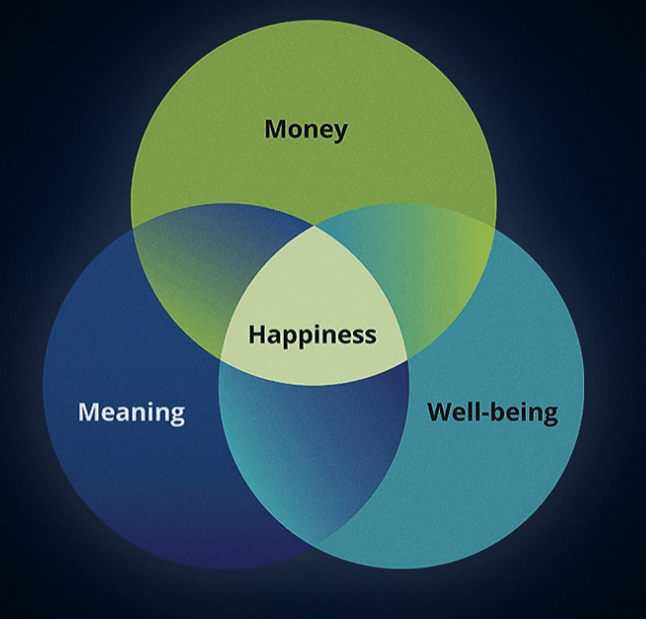
Gen Z has pushed wellness from optional to baseline. They expect flexibility, mental health support, and a sense of purpose at work. If workloads are vague, communication is inconsistent, or their contributions feel meaningless, employee engagement can suffer. And employee retention rates follow suit.
To adapt, start by asking your team what “well-being” means in their roles.
Mental health is no longer optional
Mental health isn’t a side conversation anymore. Gen Zs expect real conversations around burnout prevention and burnout recovery.
Managers and teams need to work together to create psychological safety.
A great place to start is with brief check-in questions at the beginning of team calls or 1:1s. These questions alone can surface early signs of stress before they become performance issues.
Make sure to also explicitly ask about mental health. Ask questions like “How can we support your mental well-being?
Take answers seriously. If employees say that healthcare costs are weighing on them, look into an employer healthcare cost reduction solution. That might be access to a telehealth app or discounts on certain care services. Or you might consider a reasonable salary increase.
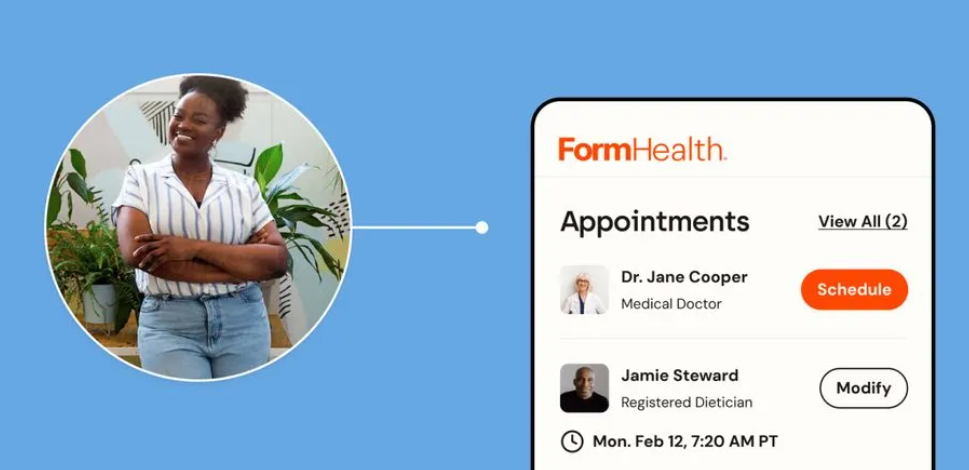
(Image Source) – FormHealth
Privacy and online safety also contribute to employee mental health. Ask employees how comfortable they feel using your software and if they have any privacy concerns. Gen Z employees may stress about data privacy, cyber risks, and being monitored while using work tools.
Again, think about solutions. Tools like cloud-based web filtering, for instance, help teams limit exposure to malicious or unsafe sites without intrusive monitoring. This can help build trust alongside safety.
Flexibility as a core wellness requirement
Gen Z values flexibility and judges commitment by results. They want a trust-based work culture that’s grounded in flexibility, not a rigid schedule.
Make sure to offer remote, hybrid, and asynchronous work options to keep Gen Zers happy and motivated.
Community and belonging matter more than ever
Gen Z employees thrive when they feel included and visible.
They crave belonging and team connection. But this can be tricky when they also expect flexibility and a hybrid work culture.
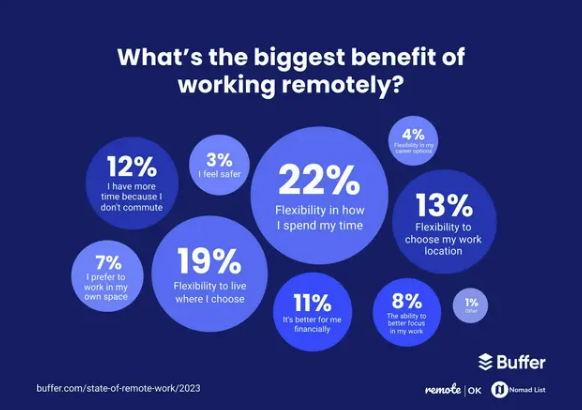
To prevent workplace risks associated with loneliness (like disengagement, burnout, and turnover), weave connection into your culture.
Teams should create regular opportunities for connection through shared experiences (like an online trivia game), mentorship, and recognition.
Recognition matters too. Call out contributions publicly. (Acknowledge who solved a problem, how they did it, and what impact it had.)
Purpose-driven work and values alignment
Gen Z evaluates employers by authenticity and corporate values.
They want to understand why their work matters and whether the company’s actions align with its stated values.
Having purpose influences motivation and loyalty.
Wellness beyond the screen
Apps and platforms may be able to track wellness metrics, but they don’t replace real-world connections.
Shared physical or social experiences help reduce stress and improve well-being
Outdoor team building activities and challenges that get teams moving are also great options. Take a look at Outback’s Cardboard Boat Building Challenge for inspiration.
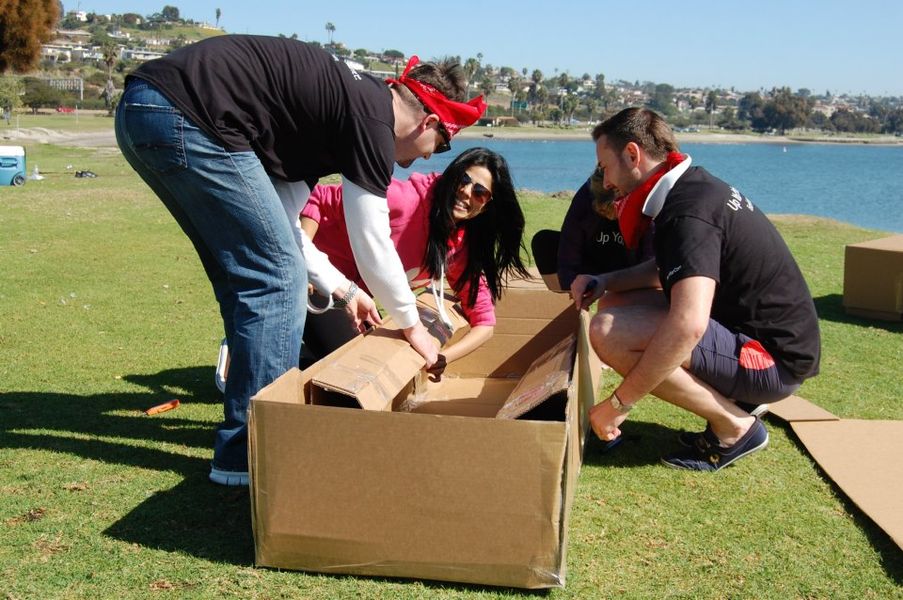
Bonus tip: Host periodic workshops on mindfulness, resilience, or nutrition to reinforce healthy routines.
Why team-based wellness initiatives work
Programs that engage everyone help boost morale and build trust.
Instead of assigning self-guided wellness modules, build initiatives that involve the team.
Team building can also help foster emotional and social wellness. Strong relationships at work reduce isolation and make people feel supported.
More on team building below.
How team building fits into modern workplace wellness
Try experiential activities to support Gen Z’s expectations for modern workplace wellness. Get creative to align team building with business goals and employee needs.
Here are some great examples:
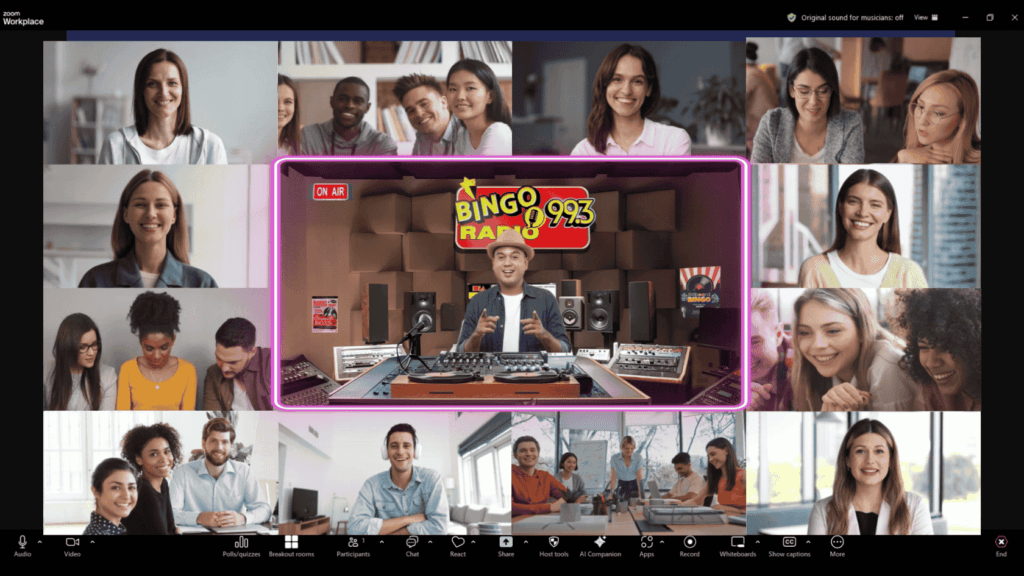
- Play online team trivia games to spark friendly competition and keep remote teams connected.
- Ask icebreaker questions before meetings to loosen tension and boost participation.
- Host outdoor problem-solving sessions that encourage collaboration.
- Host volunteer events that link purpose to action.
What every team needs now to support Gen Z wellness
Strong teams embed wellness into their daily operations.
They invest in tools for internal communication to ensure employees have access to information and can collaborate easily.
They offer flexible structures and autonomy, allowing team members to own their work and schedules.
They foster opportunities for genuine connection.
And they highly prioritize psychological safety so everyone feels included and safe at work.
How Outback Team Building supports wellness-driven teams
Outback Team Building focuses on real connection, inclusion, and shared experiences that bring people together in meaningful ways.
You can choose:
- Self-hosted team building. Host your own event with budget-friendly virtual or in-person activities for any team size.
- Professional development programs (learn individual leadership skills, interpersonal skills, and more).
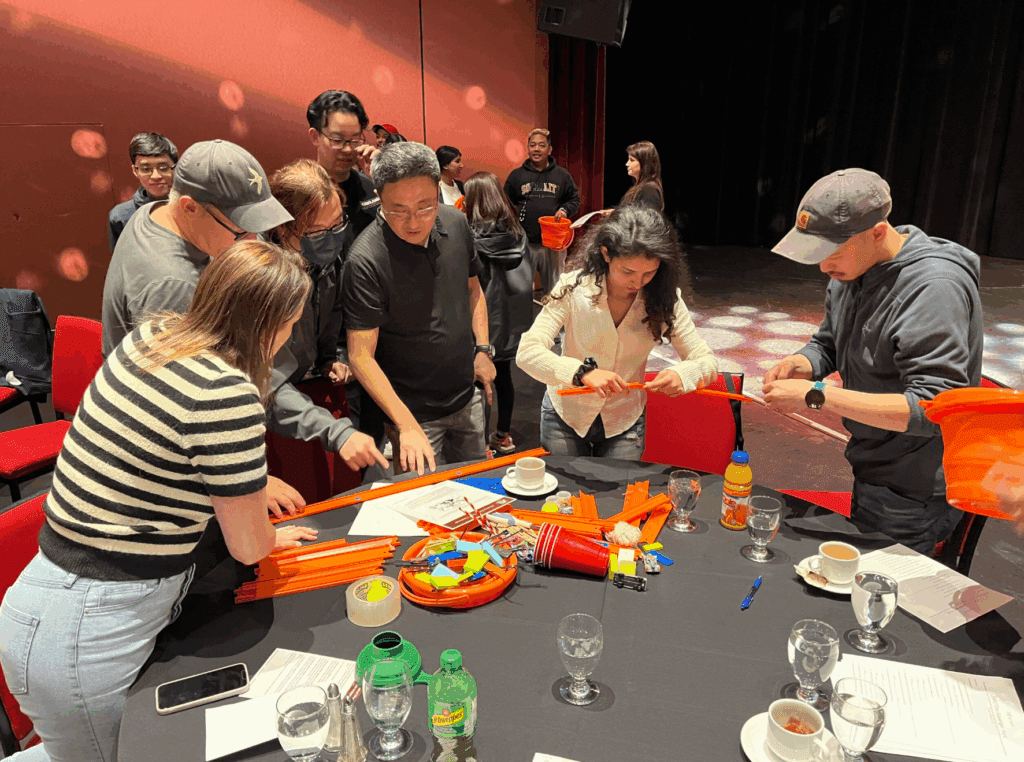
- In-person team building events and activities, like the Domino Effect Challenge.
- Virtual team building activities, like Billboard Bingo.
Reach out to Outback for ideas on aligning your team-building programs with Gen Z values.
Conclusion
Gen Z has permanently changed workplace wellness. Today, effective teams embed mental health support, flexibility, belonging, and purpose into everyday operations.
Leaders who make these operational choices see more engaged, resilient, and high-performing teams.
Need help strengthening team bonds?
Explore team-building experiences that support employee well-being with Outback today.
FAQs
What are Gen Z priorities at work?
Gen Z prioritizes mental health support, flexible work options, purpose-driven projects, and a sense of belonging within teams.
How can leaders effectively manage Gen Z employees?
Leaders can manage Gen Z employees effectively by focusing on clear outcomes instead of hours logged. Provide regular feedback, schedule structured check-ins to monitor workload, and create recurring connection opportunities that strengthen trust and team cohesion.
Author Bio
Mike Bandar is an award-winning UK-based entrepreneur. A Founding Partner of Turn Partners, the startup studio focused on the acquisition, turnaround, or creation of digital businesses. Through Turn Partners, Mike co-founded Hopper HQ, the Instagram planning and scheduling tool, working with thousands of influencers, brands and agencies around the world.