2025 flew by. One minute you were setting goals, the next you were scrambling to pull together a last-minute team event.
Now 2026 is here, and with it comes a clean slate. The chance to build the kind of company culture people want to be part of.
But strong team culture doesn’t happen by accident.
Last-minute events often drain your budget, stress your team, and fall flat on engagement. A team-building calendar, especially with partners like Outback Team Building, flips that script.
With a proactive plan, you maintain consistent engagement, maximize your budget, and ensure every activity supports your business goals for the year ahead.
Here’s how to map out your 2026 team-building strategy in four simple steps.
But first …
Why You Need a Year-Long Strategy (Not Ad-Hoc Events)
Team cohesion takes time and consistency to build. Having an annual party is fine. But if that’s the only time employees connect, it’s hard to establish a team culture or nurture a long-term creative culture.
But when you have team-building activities planned across a 12-month employee engagement calendar? Now you have a team culture-building machine. Hybrid and remote employees have the chance to bond and learn new skills. And you get the opportunity to hit training goals in a way that feels practical and relevant.
More reasons you need an annual strategy include:
- Budget optimization: Planning ahead helps you allocate funds more effectively. (You can balance expensive flagship events with lower-cost virtual or DIY activities.)
- The anticipation factor: When employees know what’s coming up, it builds excitement and reduces anxiety about forced fun dropping in at bad times.
- Inclusivity and scheduling: A calendar lets you account for different departments, time zones, and peak workload seasons, so no one’s left out.
Keep reading to learn how to build your team building and engagement calendar.
Table of Contents
- Why You Need a Year-Long Strategy (Not Ad-Hoc Events)
- Step 1: Align Activities with Business Quarters and Goals
- Step 2: Choose the Right Mix of Formats
- Step 3: Budget for Success
- Step 4: Measure Impact and Gather Feedback
- Top Themes to Watch in 2026
- Conclusion
Step 1: Align Activities with Business Quarters and Goals
Plan your calendar by quarter to make goal tracking easier and more methodological. Set KPIs for each quarter to measure your success.
Here’s an example of how you could plan your calendar:
Q1: Kickoff and alignment
For Q1, focus on goal setting, strategy, and energy for the new year.
For example:
- Kick-off meetings with ice-breaker questions.
- Collaborative challenges and trivia games.
- Virtual coffee chat check-ins.
Q2: Collaboration and communication
As projects ramp up in Q2, focus on skills that help teams work better together.
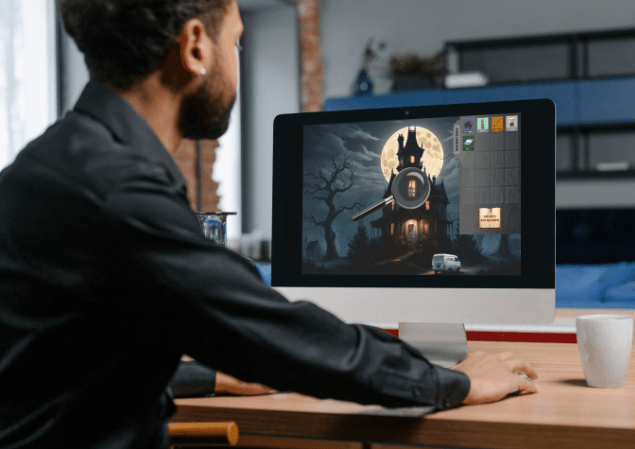
For example: Escape rooms, communication workshops, and sprint cycles.
Q3: Re-energize and outdoor
Summer/Early Autumn is perfect for getting outside and boosting morale during the mid-year slump. Think scavenger hunts, charity events, and team runs.
If you have extra time and budget, consider planning a team travel event. For instance, if your team loves history, visit a museum or historic site and try the famous Airborne Beer tradition for a fun, memorable bonding experience.
Q4: Celebration and reflection
In Q4, focus on rewarding hard work and celebrating wins.
Holiday parties, awards ceremonies, and philanthropic giving are great during this time.
Since this quarter focuses on celebration and reflection, make sure your team members feel special and valued. Use recognition shout-outs, give gifts, and make a point of speaking with them 1:1 or in small groups when possible.
At holiday and employee recognition events, give out personalized gifts that show you care. For example, include curated sample-size fragrances or custom monogrammed coffee mugs. They’re affordable, fun, and add a personal, memorable twist to the experience.
*Pro-Tip: Map specific company milestones (product launches, anniversaries) to these quarters.
Step 2: Choose the Right Mix of Formats
2026 teams are rarely all in one place, so a one-size-fits-all approach won’t work. Hybrid and remote setups mean you need a mix of formats that keep everyone engaged.
For example:
In-person events are still non-negotiable for big moments like annual retreats or leadership summits. Make these count with immersive experiences and shared memories that reinforce your culture. (Try hands-on workshops, team challenges, and retreat-style activities.)
Virtual team building remains essential for remote inclusion. Outback Team Building offers virtual programs that keep engagement high without anyone feeling left out. (Check out their virtual escape rooms and Jeoparty socials.)

Be strategic with hybrid events. Running a single event for in-office and remote participants often creates awkward gaps. Consider hosting separate synchronous events to make sure everyone participates fully. Or try these hybrid activities.
*Pro-Tip: Use self-guided or asynchronous activities to provide low-stakes, ongoing engagement. Trivia channels, wellness challenges, and Outback’s self-hosted activities give teams chances to connect at their own pace while keeping the energy alive throughout the year.
Step 3: Budget for Success
Plan out your budget for year-round events.
Here’s a quick checklist:
- Start by deciding how to view your budget. Cost-per-head for each participant? Or a lump sum for the full corporate event?
Both have pros and cons depending on your goals and team size.
- Don’t forget the hidden costs. Travel, meals, venue rentals, and prizes can quickly add up. Factor these in early to avoid last-minute surprises that blow your budget.
- When pitching to leadership, highlight the ROI. For example: Stronger engagement, better retention, and a culture that keeps top talent.
- Finally, consider a simple allocation strategy like 70/20/10: Spend 70% on reliable, proven events, 20% on new formats, and 10% on experimental or micro-events. This keeps your calendar balanced, innovative, and cost-effective.
Step 4: Measure Impact and Gather Feedback
Measure your annual plan’s success.
Start with a pre-event survey. Ask your team about their training goals, career goals, and current pain points. Give them some examples of team-building activities and events you’d like to try. Are they interested?
Follow up with post-event feedback right away. Use simple forms or a quick Net Promoter Score for each activity to give you a clear picture of what worked and what didn’t.
➜ Track long-term metrics like retention rates, engagement scores, and improvements in cross-department collaboration to see the bigger impact over the year.
*Pro-Tip: Treat your calendar as a living document. If Q1 events didn’t land, adjust Q2 plans. Iterating keeps your team-building strategy effective and responsive to your team’s needs in real time.
Top Themes to Watch in 2026
As you plan your 2026 calendar, keep an eye on (and consider implementing) these trends — they’re shaping what teams want and how they connect.
2026 team building trends HR leaders should consider implementing
- Wellness initiatives and mental health: Choose activities that reduce stress and prevent burnout instead of adding to everyone’s to-do list. Mindful workshops, game day, or gentle team challenges work well.
- Skill-based fun and learning opportunities: Learning something new together (cooking, building, or negotiation exercises) creates lasting memories and practical skills.
- CSR and philanthropy: Employees want to give back. Charity-focused team-building events let your team bond while making a real impact.
- AI and tech: Modern tools can make events interactive and dynamic. (Like app-based scavenger hunts or virtual reality challenges.)
Conclusion
A thoughtfully planned team-building calendar is an investment in your company’s culture and long-term success.
But you don’t have to plan it out alone.
Reach out to an employee engagement consultant at Outback Team Building to start sketching your custom 2026 roadmap today.
Author Bio
Mike Bandar is an award-winning UK-based entrepreneur. A Founding Partner of Turn Partners, the startup studio focused on the acquisition, turnaround, or creation of digital businesses. Through Turn Partners, Mike co-founded Hopper HQ, the Instagram planning and scheduling tool, working with thousands of influencers, brands and agencies around the world.