Hybrid culture is what happens when a team figures out how to work well together. They are able to collaborate amid some folks being in the office and others working from their kitchen tables.
The past few years turned distributed work from a nice-to-have into the way things are. When the world shut down during the pandemic, companies had to figure out remote work whether they liked it or not. It turns out that a lot of people don’t want to go back!
Enter the hybrid work setup. How do you make it work?
This page guides you in setting up a hybrid culture blueprint for your company or organization. As a leader of a distributed team, read on to learn how to build connections that last.
Table of Contents
- Understanding The Challenges of Distributed Teams
- Exploring The Hybrid Culture Blueprint
- How To Build Lasting Connections for Your Distributed Team
- Final Words: The Future of Hybrid Culture
Understanding The Challenges of Distributed Teams
Distributed teams hit the same bumps over and over:
- Communication barriers: Without hallway conversations, communication gets messy.
- Timezone differences: Time zones turn quick decisions into three-day email chains.
- Cultural disparities: Cultural differences lead to misunderstandings nobody saw coming.
These little frictions add up, causing:
- Work delays: Work slows down when you’re waiting for someone to wake up and answer your question.
- Multiple meetings: Meetings multiply like rabbits because you can’t just turn around and ask someone something.
- Isolated onboarding: New hires feel lost because there’s no desk to sit next to on their first day.
Buffer’s remote work research keeps finding the same problems: People struggle to collaborate and feel isolated when they work remotely. The proof is in the numbers (see below):
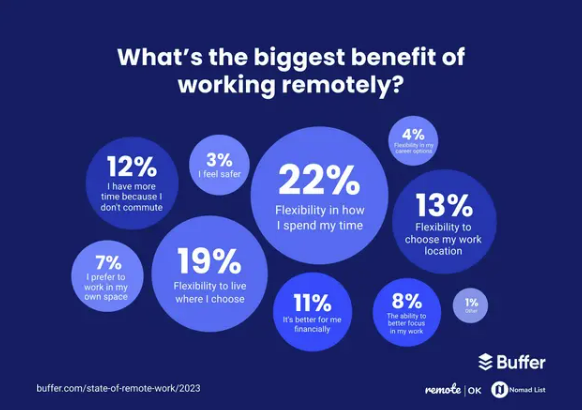
You can’t fix this stuff by hoping it gets better. When there’s no shared office, connection doesn’t just happen; You have to make it happen. You need to create specific times for people to connect, set up ways of working that everyone understands, and pay attention to whether it’s actually working.
Take it from Avner Brodsky, CEO of GoodWishes. He has seen how robust communication can make a world of difference in building genuine connections.
Brodsky says, “The teams that do well are the ones that schedule regular virtual coffee chats and working sessions together. Yeah, it feels weird to schedule spontaneity, but that’s how you replace those accidental office conversations. When people make time for each other online, real relationships form.”
Exploring The Hybrid Culture Blueprint
Let’s keep this simple. Your hybrid culture needs three things to work:
- Communication: Everyone needs to know how information moves around. Write decisions down. Default to documenting things. Mix async updates with live conversations so nobody gets left out.
- Trust Building: Trust isn’t magic. It’s what happens when people do what they say they’ll do. Create patterns that help people be reliable. Small promises kept daily beat grand gestures.
- Flexibility: People have different schedules and work styles, not to mention lives in general. Good flexibility means being clear about what needs to happen, then letting people figure out how to make it work.
These pieces work together. Good communication helps trust grow. Trust makes flexible schedules possible. Flexibility keeps people sane, so they communicate better. Get all three working and your team starts humming along, even when nobody’s in the same place.
Learn from Joern Meissner, Founder and Chairman of Manhattan Review. He has his fair share of experience working with global stakeholders for online reviews. He believes that trust is the foundation of good relationships.
Meissner explains, “I often tell teams to think of trust like a muscle you build. As a leader, share updates before anyone asks. Show up to meetings on time. Do the small stuff you said you’d do. That predictability is what makes distributed teams work.”
How To Build Lasting Connections for Your Distributed Team
Building lasting connections in a distributed team doesn’t happen by accident. It comes from intentional habits and small actions repeated consistently, even when everyone works from a different place.
As a leader of a distributed team, here’s how to build lasting connections:
1. Hold a virtual onboarding
First days matter even more when you’re staring at a screen instead of shaking hands. Here’s what you can do:
- Send new people something physical, like a mug, a notebook, whatever shows you thought about them.
- Match them with someone who remembers being new and can answer the dumb questions.
- Give them a clear plan for their first three months, so they’re not guessing what success looks like.
- Set up coffee chats with people they’ll work with so they build a real network, not just a contact list.
How do they work? People remember opening that box. Then, you need someone to guide them through both the official stuff and the unofficial stuff. Finally, give them a roadmap for 30, 60, and 90 days. It’s worth the effort!
If you want to see this done well, check out GitLab’s handbook. They document everything about how they work remotely, from onboarding to making decisions, and it’s all public for anyone to learn from.
2. Establish social connectivity
Work talk isn’t enough to build real connections. Teams need spaces to be human together. Social connectivity is key. A few recommendations:
- Try optional coffee chats where people actually talk about coffee (or tea, or their kids, or whatever).
- Set up coworking hours where people can work “together” with cameras on or off, no pressure.
- Create channels for hobbies and interests that have nothing to do with work.
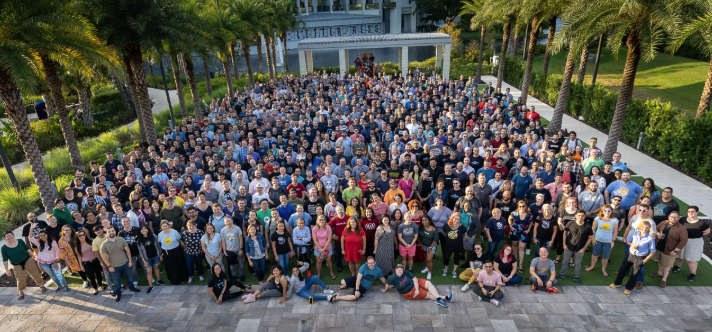
Automattic runs fully distributed teams across dozens of countries. They mix strong async communication with in-person gatherings like their yearly “Grand Meetup.” People talk about those meetups months later as they create shared memories that online work can reference all year long.
3. Create regular feedback loops
Waiting a year to ask “how’s it going?” is like driving with your eyes closed. How do you create a regular feedback loop? Some suggestions:
- Build quick check-ins into your routine.
- Run five-minute pulse surveys.
- Do retrospectives after projects while memories are fresh.
- Add “how are we doing?” to your regular team meetings.
When people see you actually change things based on feedback, they’ll tell you the truth sooner.
Atlassian shares how they keep their “Team Anywhere” approach working. They constantly adjust their rituals, document everything async-first, and check in regularly to spot problems early without slowing down.
It’s not complicated: Ask for feedback, try something different, see what happens, repeat.
4. Design ideal working spaces for purposeful office visits
Creating an ideal working environment (with occupational health and safety in mind) matters even when office visits are rare.
When employees do come in, the space should feel well-prepared and very welcoming, not like an afterthought. Clean facilities, ergonomic setups, clear signage, and thoughtful layouts signal that people are valued, regardless of how often they work remotely.
Equally important is how leaders communicate care. For example:
- Sharing safety guidelines ahead of in-office days
- Setting clear expectations
- Checking in after visits show that employee wellbeing isn’t tied to physical presence
These small signals reinforce trust and remind teams that the organization takes responsibility for their experience, wherever they work.
For instance, companies can document an occupational safety procedure for coworking and/or satellite offices. This process outlines clear steps for reporting incidents and explaining the work injury claim process (who to notify and how to file a claim). When this information is easy to find, employees feel protected and supported rather than uncertain or exposed.
5. Use technology for team connection
Tech makes hybrid work possible, but more tools usually mean more confusion. Pick a simple stack that covers the basics without overwhelming people. Most teams need:
- Video for face-to-face time (Zoom, Teams, Google Meet)

- Chat for quick stuff (Slack, Teams)
- Whiteboards for thinking together (Miro, FigJam, Figma)
- Project tracking so everyone knows who’s doing what (Asana, Trello, Jira)
- A wiki for institutional memory (Notion, Confluence)
- Quick video messages for async updates (Loom)
Adrian Iorga, Founder and President of Stairhopper Movers, recommends investing in digital tools and technologies for hybrid teams. He believes they are part and parcel of remote work in today’s business environment.
However, Iorga suggests, “Find platforms that do multiple things well. A video tool with good whiteboarding beats three separate apps. Get really good at a few tools instead of being mediocre at dozens.”
6. Measure success in hybrid culture development
You need to track whether your culture efforts are working, but culture metrics can feel squishy. Use numbers and stories together. Things worth tracking:
- Whether collaboration is smooth – How fast code reviews happen, who works together across teams, how many people comment on shared docs
- How connected people feel – Think eNPS, pulse survey questions about belonging
- If onboarding works – How long until new hires contribute meaningfully, whether they stick around, what they say about their first months
- How meeting health goes – How many meetings people have, whether meetings lead to decisions, attendance rates
What social participation entails – Who shows up to optional events, peer shoutouts, knowledge sharing
Start by looking at both survey data and what your tools tell you. Likewise, check who joins optional events and who collaborates across teams. Ultimately, those behaviors show whether people are really connecting or just going through the motions.
Stories do matter as well. Ask people to share times when a teammate really helped them out. Those examples show whether your culture initiatives are landing. Then tell everyone what you learned and what you’re changing. People believe in metrics more when they see them drive action.
Final Words: The Future of Hybrid Culture
Hybrid work is here to stay. The teams that succeed won’t be defined by fancy offices and expensive tools. They’ll win by keeping things simple and human: Communicating clearly, building trust through everyday actions, giving people both structure and freedom to do their best work.
To move forward, start small. Pick one idea from this blueprint (improve onboarding, test no-meeting blocks, or document how decisions get made)and try it this month. Remember, culture isn’t something you complete once; it’s something you practice daily, and over time, a real connection follows!
If you’re looking to build lasting relationships amid a hybrid work setup, consider Outback Team Building activities. To plan for your next event, request a quote today!
Author Bio
Catherine Schwartz is an author who specializes in employee well-being and engagement.