Getting to know your team isn’t a one-time exercise you run during onboarding. The questions that help a new hire feel welcome are different from the ones that show a three-year employee you actually see them.
Ask the wrong ones at the wrong stage, and the conversation either feels hollow or lands badly.
Early conversations rely on light icebreaker questions and simple conversation starters that ease social interaction.
As trust grows, those exchanges should shift toward deep questions that uncover motivations, goals, and what a perfect job looks like for each person.
Here, we share some getting to know questions you can ask your employees at different stages of their employment.
Table of Contents
- Why tenure stages change, and which questions work
- Getting to know a new hire: questions for the first 30 days
- Getting to know your team at the 3-6 month mark
- Getting to know a tenured employee (1+ years)
- Getting to know questions that work at any stage
- Wrap-up
Why tenure stages change, and which questions work
Familiarity, trust, and context shift across stages, so a single set of getting to know questions doesn’t account for how communication skills, expectations, and openness develop at each stage.
Getting to know a new hire: questions for the first 30 days
Questions to help them feel oriented and welcome
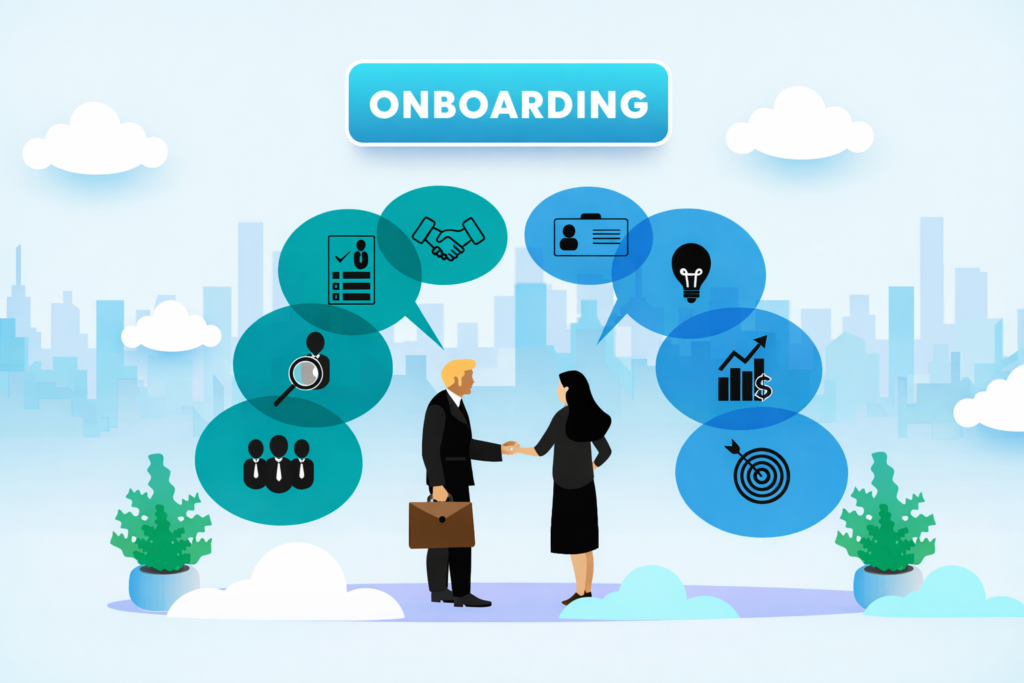
The first 30 days set the tone for everything that follows. At this stage, getting to know questions should focus on comfort, clarity, and helping someone feel like they belong. Keep the tone light while still showing genuine interest.
Some simple questions to start with include:
- What has stood out to you during your first few weeks?
- What has been easier than expected?
- What has been more challenging?
- What helps you settle into a new environment?
- Outside of work, what do you enjoy doing, or what are your favorite books?
Questions to catch early friction before it settles in
Early friction often goes unspoken unless it’s surfaced intentionally. This is where getting to know questions shifts from slightly casual to practical.
Examples:
- Is there anything unclear about your role or expectations?
- Are the tools and resources you need easy to access?
- What would make your day-to-day work smoother?
- Is there anything slowing you down right now?
The “Getting to Know Each Other” process begins even before the first one-on-one meeting. It starts with the administrative experience. Nothing kills enthusiasm for a new role faster than a pile of physical paperwork.
To set a professional tone, provide your new employees with a simple digital onboarding package.
By allowing them to fill out PDF forms—from tax documents to emergency contact information—directly on their devices, you eliminate the hassle of printing and scanning. This small technological courtesy demonstrates that your team is modern, organized, and ready to overcome logistical hurdles.
Getting to know your team at the 3-6 month mark

At the 3–6 month mark, initial nerves fade, and real opinions begin to form. This is where getting to know someone becomes more meaningful.
Employees are more comfortable sharing honest feedback, which makes this stage ideal for deeper conversations.
Examples:
- What has been the biggest surprise about working here?
- What part of your role do you enjoy the most right now?
- What part feels less aligned with your strengths?
- Do you feel your work matches what you expected?
- What would you change if you could?
You can also introduce a few deeper, human questions to strengthen the connection:
- What would your dream vacation look like right now?
- What motivates you outside of work?
- Are there any family traditions or routines that are important to you?
These questions strengthen communication skills on both sides and help build connections that go beyond status updates.
The environment matters too. Your internal communication software is the digital watercooler where those relationships start. The right platform makes it easy to ask the deeper questions, whether you’re welcoming a new hire or checking in with a tenured team member.
Getting to know a tenured employee (1+ years)

Questions about their career goals
With tenured employees, the focus is now on growth, direction, and long-term alignment. At this stage, getting-to-know-you questions should reflect respect for their experience and interest in their future.
Examples:
- What does your ideal next step look like?
- What skills do you want to develop over the next year?
- Do you feel challenged in the right ways?
- What would make this role feel like your perfect job?
Questions that show you still see them
- What has changed for you since you started here?
- What keeps you engaged in your work today?
- What has felt most meaningful recently?
- Is there anything you wish leadership understood better?
Getting to know your team requires asking the right questions at every stage of their journey, from new hires to experienced employees.
For example, practices that work with remote optometric assistants can benefit from regular check-ins to understand workflow challenges, communication needs, and growth opportunities, helping ensure that remote staff remain engaged and aligned with the team’s broader goals.
Getting to know questions that work at any stage
Some getting to know questions remain effective regardless of tenure because they focus on current needs and support.
Examples:
- What is taking up most of your time right now?
- What is one thing I can do to better support you?
- Are there any blockers I should be aware of?
- What is going well that we should continue?
- What is one thing we could improve as a team?
These questions reinforce active listening, encourage open communication, and keep positive relationships moving forward. When used consistently, they help maintain healthy connections across every stage of the employee experience and boost engagement.
Wrap-up
Getting to know your team requires attention to timing, context, and how people open up over time. The questions you ask should reflect where someone is in their journey and what they need in that moment.
Building these habits consistently helps teams create stronger connections and more open communication over time.
Explore Outback Team Building’s programs and choose an experience that fits your team’s goals. Start planning your next session and create space for better conversations and more connected teams.
Author Bio
Mike Bandar is an award-winning UK-based entrepreneur. A Founding Partner of Turn Partners, the startup studio focused on the acquisition, turnaround, or creation of digital businesses. Through Turn Partners, Mike co-founded Hopper HQ, the Instagram planning and scheduling tool, working with thousands of influencers, brands and agencies around the world.