Icebreaker activities for work are short, structured games and prompts that help colleagues learn about each other and talk more easily, whether they share an office or a video call. This guide covers 16 free DIY icebreakers you can run on your own and seven hosted icebreaker activities that Outback runs for groups of any size.
Updated: November 4, 2026
Gallup’s State of the Global Workplace: 2026 Report found that 22% of employees worldwide felt lonely for much of the previous day, and the figure rises to 24% for fully remote and hybrid workers. An icebreaker won’t solve that on its own, but it gives people a low-stakes reason to talk to colleagues they’d otherwise only email.
Icebreakers work best when they fit the group, the setting, and the time you have. A five-minute prompt suits a Monday standup, while a two-hour hosted game suits a kickoff, an offsite, or a team that’s grown fast and hasn’t had a chance to mix.
We’ve split this list into two parts so it’s easy to tell them apart. The first 16 are DIY icebreakers you can run yourself for free, with nothing to book and nothing to buy beyond a pen or a video link. The last seven are hosted icebreaker activities that our event facilitators run for you, in person or virtually.
Table of Contents
- What Is An Icebreaker Activity?
- 16 DIY Icebreakers You Can Run Yourself
- 1. Icebreaker Bingo
- 2. Two Truths And A Lie
- 3. Broken Telephone
- 4. Hometown Map
- 5. Commonalities
- 6. One Word Story
- 7. Guess Who
- 8. Speed Networking
- 9. Icebreaker Questions
- 10. Would You Rather
- 11. Bucket List Hunt
- 12. Alphabet Hunt
- 13. Show And Tell
- 14. Camera Roll Roulette
- 15. Human Knot
- 16. Emoji Check-In
- 7 Hosted Icebreaker Activities From Outback
- How To Choose The Right Icebreaker
- Key Takeaways
- Frequently Asked Questions About Icebreaker Activities For Work
- What Is A Good Icebreaker Activity For Work?
- How Long Should An Icebreaker Take?
- What Are Good Icebreakers For Virtual Meetings?
- How Do You Make Icebreakers Comfortable For Introverts?
- Does Outback Run All Of These Icebreaker Activities?
- When Should You Book A Hosted Icebreaker Instead Of Running One Yourself?
- Start With One Icebreaker
What Is An Icebreaker Activity?
An icebreaker activity is a short, structured exercise that gets colleagues talking and learning about each other before or alongside the real work. Most run 5 to 30 minutes, need little or no setup, and work in person, on a video call, or both.
They help because people collaborate more openly with colleagues they know a little about. A shared laugh or a surprising fact gives two coworkers something to come back to the next time they’re on the same project, and that familiarity makes it easier to ask a question, offer an idea, or push back.
The best icebreakers for work share a few traits:
- Low Pressure: Nobody has to share anything they’d rather keep private, and passing is always an option.
- Inclusive By Design: Small groups and clear prompts give quieter people a way in without putting them on the spot.
- Matched To The Moment: A quick question suits a meeting opener, while a longer game suits an offsite or a kickoff.
- Easy To Run: The organizer can explain the rules in under a minute.
Keep those in mind as you read through the list, and pick the ones that suit your team’s size, setting, and comfort level.
16 DIY Icebreakers You Can Run Yourself

These are free icebreaker ideas you can do on your own. Outback doesn’t run them as hosted events, so there’s nothing to book, and all you need is a few minutes on the agenda and a willing group.
1. Icebreaker Bingo
Time: 15 to 20 minutes | Group Size: 10 to 50 | Format: In person
Icebreaker Bingo turns the classic game into a mixer. Instead of waiting for numbers, players walk the room and look for colleagues who match the prompts on their cards.
To set it up, build a card with 25 prompts such as “has visited three continents,” “plays an instrument,” or “started here this year,” and shuffle the squares so every card is different. A free generator like My Free Bingo Cards handles the layout. Players write a different colleague’s name in each square and call “Bingo!” when they finish a row, or you can play blackout and require a full card.
It works well at larger gatherings because it gets people out of their seats and talking to colleagues outside their usual circle.
2. Two Truths And A Lie
Time: 10 to 20 minutes | Group Size: 4 to 20 | Format: In person or virtual
Each person shares three statements about themselves, two true and one false, and the group votes on which one is the lie before the speaker reveals the answer.
Encourage people to make the true facts surprising and the lie believable. On a video call, use the chat or a quick poll for votes so everyone gets a say, and split bigger groups into breakout teams of five or six so the round keeps moving.
The best truths tend to come up again in later conversations, which makes this one of the easiest ways to give colleagues something to talk about.
3. Broken Telephone
Time: 5 to 10 minutes | Group Size: 8 to 20 | Format: In person or virtual
Sit in a circle. The first person whispers a phrase to their neighbor once, with no repeats, and the message passes down the line until the last person says it out loud for the starter to check against the original.
For a virtual version, pass the phrase through private chat messages, with each person reading it once and retyping it from memory.
The gap between the first and last version always gets a laugh, and it doubles as a quick lesson in how easily details shift as information passes from person to person.
4. Hometown Map
Time: 15 to 30 minutes | Group Size: 5 to 30 | Format: In person or virtual
Hang a world map on the wall, or share a Google My Maps link with a remote team. Each person drops a pin where they grew up and shares a story about the place, such as a local food everyone should try or a tradition nobody outside town understands.
To widen it, add a second pin for a place someone’s family comes from or a place they’d move tomorrow.
Leave the map up afterward, since it gives new hires an easy way to find colleagues with something in common.
5. Commonalities
Time: 10 to 15 minutes | Group Size: 6 to 50 | Format: In person or virtual
Split the group into teams of two to four and give each team 10 minutes to find five things they all have in common. Obvious answers like “we all work here” don’t count, so teams have to dig for things like a shared hometown, the same favorite snack, or a mutual dislike of cilantro.
After the round, have each team share its best find, then reshuffle the groups and play again.
It’s a strong pick for cross-department groups, since it shows people they share more with unfamiliar colleagues than they’d expect.
6. One Word Story
Time: 10 minutes | Group Size: 5 to 15 | Format: In person or virtual
Sit in a circle, or set a speaking order on a video call. One person says a single word to start a story, and each person adds one word in turn until the story reaches a natural end or you’ve gone around a set number of times.
For an extra challenge, ask each person to repeat the full story so far before adding their word.
The story rarely goes where anyone expects, and the game rewards listening and building on someone else’s idea, which are useful habits in any meeting.
7. Guess Who
Time: 15 to 20 minutes | Group Size: 6 to 30 | Format: In person or virtual
Give everyone three slips of paper and ask them to write one little-known fact about themselves on each. Collect them in a bowl (or a private form for virtual groups), read them aloud one at a time, and have the group guess the author before that person owns up and tells the story behind it.
It works especially well for teams that think they already know each other, since the reveals almost always surprise someone. For more games in this style, see our list of 27 getting-to-know-you activities for work teams.
8. Speed Networking
Time: 15 to 30 minutes | Group Size: 8 to 60 | Format: In person or virtual
Pair people up and give each pair three to five minutes to get to know each other, then rotate partners and repeat. On a video call, timed breakout rooms handle the rotation for you.
Give people a few prompts so nobody stalls:
- What made you choose this line of work?
- What’s the most useful thing you’ve learned in your current role?
- What’s a project you’re proud of?
- What’s one tool or habit that keeps you organized?
- Where were you five years ago?
- How can I help you in your work?
Speed networking is a practical fit for onboarding cohorts and fast-growing teams, since it gets new and longtime employees acquainted in a single sitting.
9. Icebreaker Questions
Time: 5 to 15 minutes | Group Size: Any | Format: In person or virtual
One good question at the start of a meeting can shift the mood in the room. Go around the group, or split into smaller groups if you have more than eight people, and give everyone a minute to answer.
Here are a few of our favorites:
- What was your dream job growing up?
- What’s something you’ve always wanted to try but haven’t yet?
- Do you have a family tradition you look forward to every year?
- If you could see one movie again for the first time, what would it be?
- What would the title of your autobiography be?
- What’s the best piece of advice you’ve ever received?
- If you could have an unlimited supply of one thing, what would it be?
- What’s your phone’s wallpaper right now, and why?
For hundreds more, sorted by category, browse our 576 team building icebreaker questions for work.
10. Would You Rather
Time: 5 to 15 minutes | Group Size: Any | Format: In person or virtual
Would-you-rather questions force a choice between two options, and the reasoning behind each answer is where the fun starts. Run them with the whole group, or use a poll on a video call and ask a few people to defend their pick.
Try a few of these:
- Would you rather always be 10 minutes late or always be 20 minutes early?
- Would you rather master every musical instrument or every sport?
- Would you rather spend a week in the forest or a night in a haunted house?
- Would you rather cuddle a koala or pal around with a panda?
- Would you rather be the best at something no one takes seriously or average at something everyone respects?
- Would you rather always have wet socks or a small rock in your shoe?
- Would you rather have one wish granted today or 10 wishes granted 20 years from now?
For a full year’s worth of options, see our 230 would you rather questions for work.
11. Bucket List Hunt
Time: One to three months | Group Size: Any | Format: In person or remote
This one runs in the background over weeks or months. Build a shared bucket list with your team’s input, then have people collect photos of themselves checking items off.
Your list could include items like these:
- Swimming in the ocean
- Visiting a new country
- Learning an instrument
- Building something by hand
- Running a race
- Trying a new sport
Share the photos in a team channel as they come in, decide up front whether past experiences count, and celebrate the person with the most items at the end.
12. Alphabet Hunt
Time: 30 to 60 minutes | Group Size: 6 to 40 | Format: In person
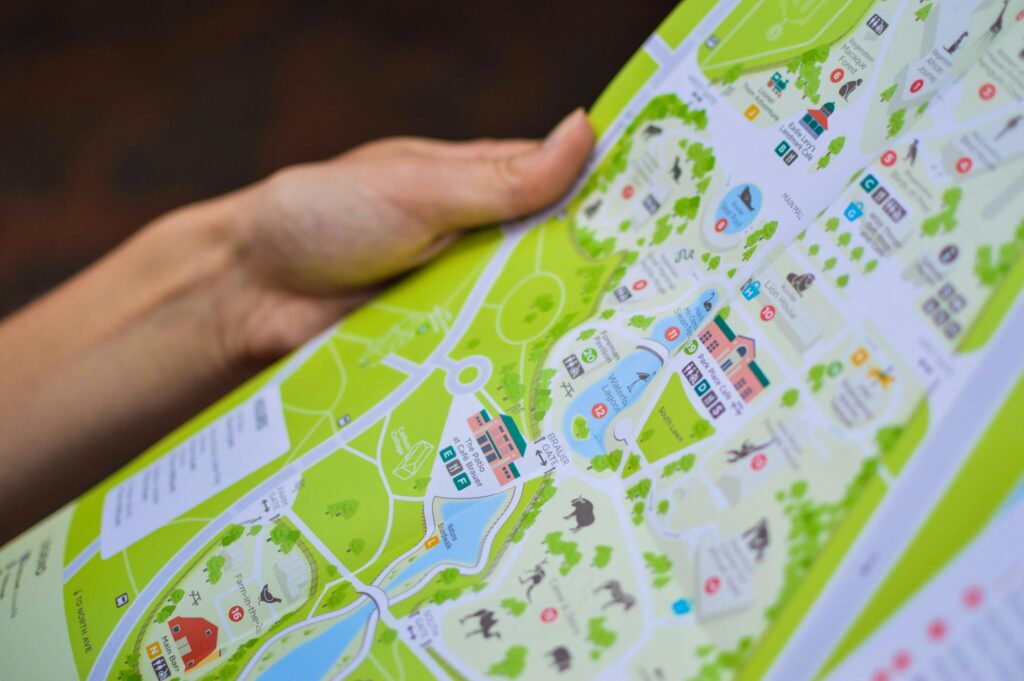
Split into teams and send them out with one task: photograph a place, object, or person for every letter of the alphabet. B might be a bridge and T might be a train, while X will test everyone’s creativity.
Set a time limit and a meeting point, then compare photos when everyone comes back.
The open-ended rules mean every team’s set looks different, and comparing them at the end is half the fun. For more ideas like this one, see our 17 scavenger hunt team building activities for workgroups.
13. Show And Tell
Time: 10 to 20 minutes | Group Size: 4 to 15 | Format: In person or virtual
Ask everyone to bring one object with a story behind it, or to grab something within arm’s reach on a video call. Each person gets a minute to show it and explain why it matters.
Objects tend to unlock stories people wouldn’t share in answer to a direct question, like the souvenir from a trip that went sideways or the mug a former manager gave them.
It’s a good fit for remote teams in particular, since everyone’s workspace is full of potential props.
14. Camera Roll Roulette
Time: 10 to 15 minutes | Group Size: 4 to 20 | Format: In person or virtual
Have everyone open their phone’s photo library, scroll to a set point, such as the fifth photo from last month, and share it with the group along with the story behind it. Anyone can skip a photo they’d rather keep private and pick the next one instead.
The random pick keeps it light, since nobody can curate their best shot, and the results range from pets and meals to blurry pocket photos that need some explaining.
15. Human Knot
Time: 10 to 15 minutes | Group Size: 8 to 12 per circle | Format: In person
Have the group stand in a circle, reach across, and grab the hands of two different people who aren’t standing beside them. The team then has to untangle itself into a single circle without letting go.
Make it optional, since it involves close contact, and give anyone who’d rather watch the job of directing from the outside.
When it works, the group gets a shared win in under 15 minutes, which makes it a strong opener for an in-person offsite.
16. Emoji Check-In
Time: 5 minutes | Group Size: Any | Format: Virtual, hybrid, or in person
Start a meeting by asking everyone to post one emoji in the chat that sums up their week, then invite a few people to explain theirs. In a meeting room, people can sketch theirs on a sticky note.
It fits any group size, and it gives managers a quick read on how the team is doing before the agenda starts.
7 Hosted Icebreaker Activities From Outback
When you’d rather hand off the planning and play along with everyone else, these are the icebreaker activities our event facilitators run for you. Each one is led by a professional host who handles the rules, the scoring, and the pace, so the organizer gets to take part too. In 2025, we ran 1,506 events, and 57.3% of the written feedback we received named team connection and collaboration as a highlight.
17. Virtual Social Shuffle

Format: Virtual | Group Size: 4 to 1,000+ | Duration: 1 to 2 hours
Social Shuffle is a hosted virtual icebreaker built for remote teams. A live host guides your group through interactive prompts, quick challenges, and conversations, and rotating breakout groups mean people talk with a new set of colleagues every round.
It’s the closest thing on this list to a full-length version of the DIY icebreakers above, with a host keeping the conversation moving so nobody else has to.
18. Friendly Feud
Format: In person or virtual | Group Size: 4 to 1,000+ | Duration: 1 to 2 hours
Friendly Feud brings the Family Feud format to your team, with groups facing off to guess the most popular answers to survey questions. The virtual version adds social mixer rounds between the game rounds, so teams get to know each other as they compete.
When the accesso DEI Council used it for a 2026 kickoff that spanned the US and the UK, small breakout teams gave quieter members an easy way into the conversation. As their Senior HR Business Partner put it in the full case study, “It’s nice to just hire someone, let go of the reins, and let them be the extrovert who gets everybody engaged.”
Friendly Feud was one of our four most-booked activities in 2025, with 111 events.
19. Jeoparty Social
Format: In person or virtual | Group Size: 4 to 100 | Duration: 1 to 2 hours
Jeoparty Social puts your team in a Jeopardy-style game show, complete with buzzers and wagers. Between rounds of trivia, teams take on social mixer challenges, so the game builds conversation as well as competition.
It suits groups of up to 100 who like trivia but want more mingling than a straight quiz offers.
20. Billboard Bingo Live
Format: In person or virtual | Group Size: 4 to 1,000+ | Duration: 1 to 2 hours
Billboard Bingo Live swaps numbers for music. Teams race to identify hit songs and fill in missing lyrics as they work toward Bingo, with a DJ host running the show.
Music gives people of every age and department something to talk about, which makes it a strong pick for big, mixed groups.
21. Minute to Win It
Format: In person | Group Size: 10 to 2,000+ | Duration: 2 hours
Minute to Win It brings the game show to your venue, with teams racing through quick, hands-on challenges that each last 60 seconds or less. A host runs the clock, keeps score, and wraps up the event with medals.
A group of engineers from Read Jones Christoffersen played it after two full days in a boardroom. “Our group had tons of fun, it was very high energy and a good way to burn off steam after two intense days of meetings,” they told us.
It’s a strong choice when a group has been sitting through a long meeting or conference and needs to move.
22. Wild Goose Chase

Format: In person (hosted on-site or remote-hosted) or self-hosted | Group Size: 10 to 5,000+ | Duration: 1 to 3 hours
Wild Goose Chase turns your city into a scavenger hunt. Teams use an app to complete photo and video challenges around landmarks and everyday spots, like balancing the whole team on a seesaw or finding a public clock that reads exactly 22 minutes past the hour.
When DemandJump sent deliberately mixed teams racing through Indianapolis, colleagues from three departments who used to trade polite hellos started eating lunch together afterward.
Wild Goose Chase was our third most-booked activity in 2025, with 124 events.
23. City Chase: Scavenger Hunt
Format: In person or self-hosted | Group Size: 4 to 1,000+ | Duration: 1 to 3 hours
City Chase sends teams through your city with a smartphone app, solving puzzles and completing location-based challenges at landmarks and local favorites to earn points. Where Wild Goose Chase leans on creative photo and video challenges, City Chase adds more puzzle-solving tied to specific places, so teams have to plan a route as well as perform.
It’s a good fit for teams meeting in a new city for a conference or offsite, since the game doubles as a tour. For more options in this style, browse all of our scavenger hunt team building activities.
How To Choose The Right Icebreaker

Start with what you want the icebreaker to do, then match it to your setting and the time you have. This table pairs common goals with a DIY option and a hosted option from the lists above.
| Goal | DIY Option | Hosted Option |
| Open a regular meeting in five minutes | Emoji Check-In, Icebreaker Questions | A DIY option covers it |
| Help new hires meet the team | Speed Networking, Guess Who | Virtual Social Shuffle |
| Connect a remote or hybrid team | Show and Tell, One Word Story | Virtual Social Shuffle, Friendly Feud |
| Mix departments that rarely work together | Commonalities, Icebreaker Bingo | Billboard Bingo Live, Wild Goose Chase |
| Re-energize a group after long meetings | Human Knot, Broken Telephone | Minute to Win It |
| Get a team out exploring together | Alphabet Hunt | Wild Goose Chase, City Chase |
| Kick off a conference or offsite | Two Truths and a Lie | Jeoparty Social, City Chase |
As a rule of thumb, run it yourself when the group is small and the icebreaker fits inside a meeting. Book a host for a large group, a distributed team, or a milestone event, especially when you’d like to play along instead of running the clock.
Key Takeaways
If you only have a minute, here’s what to remember:
- Icebreakers Build Familiarity: Short, structured prompts give colleagues something to talk about, which makes later collaboration easier.
- DIY Suits Quick Moments: The 16 DIY ideas in this guide are free, need little setup, and fit inside a meeting or a lunch break.
- Hosted Suits Bigger Moments: A host-led activity fits kickoffs, offsites, and large or distributed groups, and it lets the organizer participate.
- Remote Teams Need It Most: Gallup’s 2026 data shows remote and hybrid employees report more loneliness than on-site staff, so planned connection matters more for distributed teams.
- Participation Stays Optional: The best icebreakers let anyone pass and never require personal disclosure.
Pick one for your next team meeting and build from there.
Frequently Asked Questions About Icebreaker Activities For Work
Here are answers to the questions we hear most from people planning icebreakers for their teams.
What Is A Good Icebreaker Activity For Work?
A good icebreaker for work is short, low pressure, and easy to explain. Two Truths and a Lie, Commonalities, and a single icebreaker question at the start of a meeting are reliable choices because they need no setup and let everyone take part at their own comfort level.
How Long Should An Icebreaker Take?
Most DIY icebreakers take 5 to 20 minutes, so they fit at the start of a meeting or over a team lunch. Hosted icebreaker activities typically run one to three hours and work as the main event of a team gathering.
What Are Good Icebreakers For Virtual Meetings?
Emoji Check-In, Show and Tell, Would You Rather, and Two Truths and a Lie all translate well to video calls. Use breakout rooms for groups larger than eight so everyone gets airtime. For a longer session, a hosted virtual game like Virtual Social Shuffle or Virtual Friendly Feud Social handles the breakout rooms and pacing for you.
How Do You Make Icebreakers Comfortable For Introverts?
Use small groups, give people a moment to think before they answer, and always allow a pass. Prompts about preferences or experiences keep the stakes lower than prompts about feelings or personal history, and activities with a shared task, like Commonalities or a scavenger hunt, take the spotlight off any one person.
Does Outback Run All Of These Icebreaker Activities?
Outback runs the seven activities in the hosted section, led by our event facilitators in person or virtually, with self-hosted versions where noted. The 16 DIY icebreakers are free ideas you can run on your own, and we don’t offer them as bookable events.
When Should You Book A Hosted Icebreaker Instead Of Running One Yourself?
Book a hosted activity when your group is too big to run as one conversation, when your team is spread across locations, or when the event marks a milestone like a kickoff. A host handles the rules, the timing, and the technology, which frees the organizer to take part.
Start With One Icebreaker
Icebreakers don’t need a big budget or weeks of planning to make a difference. Try a free DIY idea at your next meeting, and when you’re ready for something bigger, a hosted activity takes the organizing off your plate so you can join in.
Want a hosted icebreaker for your next team event?
Get in touch with one of our Employee Engagement Consultants today.